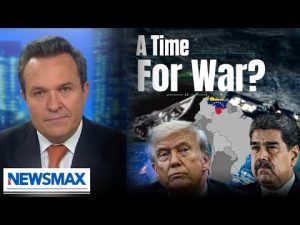
Venezuela has found itself in a precarious situation over the last few decades, transforming from a once-thriving nation into what many view as a cautionary tale of failed governance. Just over two decades ago, Venezuela was known for its prosperity, bustling economy, and vibrant culture. Today, however, it is synonymous with chaos, crime, and suffering. The challenges faced by its citizens have reached such an extent that the actions of their leaders raise eyebrows across the globe, particularly in the United States, where concerns about Venezuela’s impact are becoming increasingly pressing.
The ongoing troubles in Venezuela highlight a pattern of political leadership that many feel has run amok. Under the current regime, there have been alarming reports of criminals being released from prisons, only to find their way into the streets of America. In the eyes of some commentators, this exodus isn’t merely a side effect of political strife; it’s viewed as a deliberate act that endangers Americans. The fear is palpable, and the notion that individuals with ties to drugs and violence are being pushed into the United States raises significant questions about border security and national safety.
The situation is made even more unsettling when looking at the figure leading Venezuela today. Derided as a dictator by some, this leader has consolidated power and wealth, leaving the citizens in dire straits while amassing riches for himself. The stark contrast between his opulent lifestyle and the struggles of ordinary Venezuelans creates a vivid image of injustice that resonates strongly in the minds of those who value democracy. As the nation’s problems grow, so too does the talk of potential intervention. Some believe it may be time for America to take a firmer stance against what is perceived as a rogue state.
It’s important to note that fears about conflict are growing, though not everyone is advocating for military action. The idea of war can be daunting, and indeed, many wish to avoid it if at all possible. Yet, some argue that facing the menace of dictatorial regimes head-on may sometimes be necessary for the greater good. As tensions rise, one must consider whether the international community is prepared to address these issues more directly, or if they will continue to let the situation escalate unchecked.
In the midst of this turmoil, President Trump has been vocal about his concerns regarding Venezuela, suggesting that transparency and direct engagement are vital in addressing these issues. He has presented his views without hiding behind complicated agendas, which some appreciate as a refreshing change in political discourse. As the world watches and waits to see what steps will be taken next, one thing remains clear: the problems arising from Venezuela’s leadership will not vanish overnight, and the repercussions may reach far beyond its borders.
In conclusion, the plight of Venezuela serves as a reminder of the fragility of prosperity amidst oppression. The consequences of poor governance can ripple outwards, affecting other nations and their citizens. As debates about intervention heat up and discussions about national security intensify, it’s essential for all involved to seek a resolution that prioritizes the well-being of those affected while navigating the complexities of international relations. Whether conflict is the answer remains to be seen, but one can always hope for a peaceful solution. After all, wouldn’t it be nice if the world’s leaders could find common ground without breaking out the tanks?