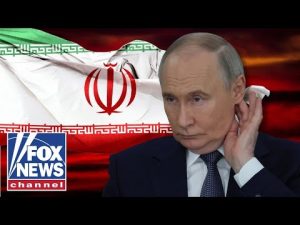
In a shocking series of events, a shooting incident erupted near the White House just after President Trump announced a potential peace deal with Iran. This happened just as the sun began its descent, around 6 p.m. Eastern time, leaving many to wonder: Could the timing be a mere coincidence, or was it indicative of something more sinister? The scene quickly turned chaotic, as panic ensued and the area went into lockdown. Newsmax was on the scene, broadcasting live as the situation unfolded.
The suspect, later identified as Nasir Best, had a rather colorful history of bizarre behaviors, including claims of being Jesus Christ. Just months earlier, he had been detained for blocking access lanes to the White House, and then mere weeks later, for entering restricted areas near the iconic building. It raises questions that most people would be pondering in disbelief: How could someone with a track record like this still roam free? At a time when safety should be paramount around such notable landmarks, it’s perplexing that the system failed to keep such individuals from approaching further.
In the aftermath of the shootout, experts weighed in, suggesting that the incident reflects a troubling rise in violent rhetoric directed at the Trump administration. Commentators pointed out the tangible connection between political discourse and violent actions. They surmised that as the president’s opponents labeled him with harsh terms like “Nazi” and “fascist,” it creates a dangerous environment where such extreme actions are not just condoned but seem to be encouraged. The incident marks yet another notch in a disturbing trend of political violence, as concerns grow that the left is increasingly radicalizing individuals capable of such acts.
The situation took an even darker turn when it was revealed that there was a potential assassination plot against Ivanka Trump, the president’s daughter. This revelation raises alarm bells and adds to the narrative of targeted threats against the Trump family. Amid this political landscape, characterized by deep divisions and heightened tensions, such news serves as a stark reminder that the stakes are undoubtedly high. For many, the political arena has morphed into a battleground, with consequences that extend far beyond mere words.
Addressing foreign policy, experts debated the implications of the potential peace deal with Iran that President Trump announced hours before the shooting. Some argued that a deal could very well be historic, possibly meriting a Nobel Peace Prize in the future. Amidst this optimism, others pointed to the left’s ongoing opposition to Trump’s foreign policy maneuvers. They expressed skepticism over whether any deal could legitimately address issues surrounding nuclear weapons or terrorism without facing staunch resistance from those who are determined to undermine the administration’s efforts.
In summary, what transpired outside of the White House not only emphasizes the current state of political discourse but also serves as a concerning reminder of the potential dangers that lie in the shadows of a divided nation. The shooting incident, coupled with heightened threats against the Trump family, paints a stark picture of the aggressive climate in which political players find themselves today. As everyone reflects on this event, the deeper question remains: How can our political discourse return to civility, and how can safety be restored in a landscape filled with escalating tensions? Only time will tell.