### The Rollercoaster of the Crooks Case: A Twist in the Tale
In recent days, the attempt on former President Trump’s life has taken a new and winding turn, thanks to some newly unearthed documents released by Judicial Watch. These documents, obtained through a Freedom of Information Act lawsuit against the Department of Justice and the FBI, included 48 pages, albeit heavily redacted. The headlines went wild when Judicial Watch claimed there were email exchanges between Thomas Crooks, the alleged assailant, and a Butler County Sheriff’s deputy prior to the shooting incident. However, not all was as it seemed.
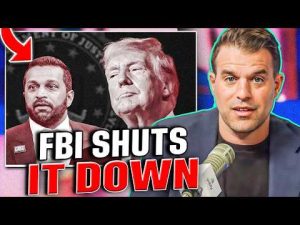
Like a suspense thriller with unexpected twists, Judicial Watch’s post quickly attracted attention. But the FBI wasn’t too happy about it. They called the revelation “clickbait” and blasted the claim, saying it amounted to “fake news.” One might imagine the FBI pacing around their office, shouting “That’s not how this works!” Nevertheless, Judicial Watch decided to amend their initial statement, revealing that the emails in question were actually about coursework between Crooks and a college instructor. Poof! Just when it looked like some extraordinary conspiracy was afoot, the evidence pointed to nothing more than academic chatter.
This plot thickened even more when the name of a Deputy Kinley Hy from Butler County, Ohio, popped up in some viral posts. As it turns out, this was a case of mistaken representation. The deputy had no ties to Crooks, and officials scrambled to clear the air, calling the claims “completely false and irresponsible.” In this age of social media, it’s easy for misinformation to spiral out of control, and this incident showcases just how quickly things can go awry.
Despite the FBI’s insistence that these communications were routine and unremarkable, many are still left scratching their heads and wondering what the full picture is. Some argue that the FBI should open up further and release more information to build public trust. After all, releasing heavily redacted documents can spark suspicion and fuel conspiracy theories about what may really be going on behind the scenes. It’s as if they are saying to the public, “Trust us, but here’s a bunch of information with a huge chunk missing!”
The challenge here is balancing legal protocols with the public’s need for transparency. It’s essential to respect privacy laws while also recognizing that many citizens are concerned about the ramifications of a presidential assassination attempt. The more redactions there are, the more the public assumes there must be something scandalous lurking beneath the surface. It’s almost like playing a game of hide-and-seek with the truth, and many are feeling left in the dark.
As the dust settles, one thing remains clear: this case has ignited passionate opinions across the spectrum. While Judicial Watch deserves credit for correcting the record, the FBI must also take a hard look at how they manage public relations and information releases. Trust is earned through transparency and clarity, and right now, that trust seems to be hanging on by a thread. The world is watching, and the stakes couldn’t be higher–both for the integrity of the justice system and for the faith of the American people.