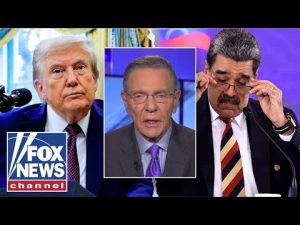
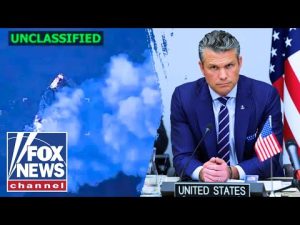
In the current geopolitical chess match, there’s a new player stepping up to the board: President Trump. Recently, U.S. naval ships have amassed in a key region, backed by the deployment of a whopping 15,000 troops. The aim? To pressure Venezuelan leader Nicolás Maduro into stepping down. It’s a bold move, reminiscent of historic regime changes. It seems the White House has taken a page from past presidential playbooks, focusing on stopping the flow of narcotics that travel from South America to the United States. The strategy appears to be rooted in the belief that squashing Venezuela’s narco-linked regime is a crucial step toward stemming the tide of fentanyl devastating American communities.
The plan, however, stretches beyond the simple removal of Maduro from power. The Trump administration has urged China to cut off its supply chain of materials used to manufacture deadly drugs in Mexico. They are pressuring Colombia and other countries in the region to put the squeeze on drug traffickers. This comprehensive strategy uses military might not as a blunt instrument but as a show of resolve, underscoring that the U.S. means business. This visible presence is supposed to convince Maduro that his best course of action—a voluntary departure—is already being served on a platter. It’s regime change with a slice of diplomacy, ideally.
Now, some might wonder if this isn’t just another episode of ‘How to Flex America’s Muscles,’ but there’s more in play here. For those who recall history, it’s not the first time an American president has considered regime change in the name of national security. In fact, former presidents George H.W. Bush and Bill Clinton also played similar games for similar stakes, each justified their actions as necessary for the well-being and security of the U.S. Trump is channeling a history of bold decisions in the Western Hemisphere, betting that action on this front will not just improve regional stability but curb a poison that claims American lives every day.
However, the complexity of this situation is not lost on the administration, despite what some critics might say, suggesting that the fulfillment of this strategy is as simplistic as escorting a speedboat to the nearest dock. Instead, the administration has set an ambitious agenda, combining military tension with diplomatic overtures, clearly stating that the objective of the military buildup is not to spur conflict but to prevent it. They are showing Maduro that the game’s over before it even begins.
In today’s geopolitical climate, some might liken these moves to a high-stakes poker game. Yet it’s a game the Trump administration is prepared for, armed with a strategic approach that incorporates the lessons of history, diplomatic maneuvers, and military posturing all in one. For Maduro, the stakes couldn’t be clearer. As the heat intensifies and options narrow, this showdown demands a response. Between Trump’s strategic overtures and a military force that’s locked and loaded, it seems Maduro would be wise to take the offering seriously. Otherwise, like predecessors who faced the unrelenting might of American determination, he might just find himself left in checkmate.