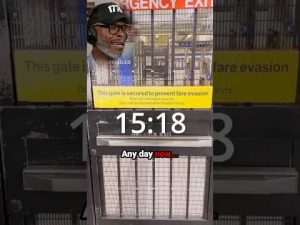
The conversation about New York City’s subway systems highlights an alarming issue: the delay of emergency exit doors to prevent fare evasion. This strategy raises significant concerns about public safety and the ability to efficiently evacuate during an emergency. The design of these doors, which now take longer to open, might create more chaos than they prevent, especially when the primary goal should be the safety and efficiency of public transit systems.
The city’s response to fare evasion by making these exits less accessible misses the mark. Public transportation should focus on offering reliable and safe options for commuters. In situations of panic or actual emergencies, the very idea of a delay to open emergency exits could pose a considerable risk. This approach sends a message that addressing fare evasion is more critical than ensuring the rapid, safe evacuation of individuals in an emergency.
Instead of making it harder for everyone to access emergency exits, there should be a smarter approach to solve fare evasion. For instance, investing in technology to better monitor entrances and providing fair access to payments could be one solution. The underlying social issues that lead individuals to evade fares, such as economic inequality and high living costs, could also be addressed. By focusing on these root causes, the city could find more long-term solutions that do not compromise public safety.
Furthermore, improving the subway environment should be a priority. This means maintaining cleanliness and safety in a transit system that serves millions daily. It’s not only about fare collection but also about creating a space that subway riders feel safe and comfortable using. A well-maintained environment dissuades fare evasion and encourages more people to use public transit, leading to increased revenue without jeopardizing safety.
Ultimately, the safety of the public should remain the top priority. Any policy changes within the subway system should prioritize the well-being of its passengers above all concerns of fare evasion. A clear, effective strategy that combines safety, efficiency, and social responsibility will better serve New Yorkers who rely on this critical part of the city’s infrastructure.