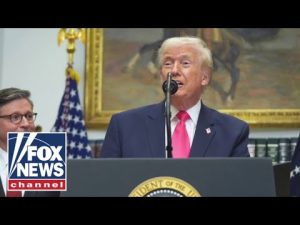
America, it seems, is grappling with an immigration system that, for all intents and purposes, appears to be held together with duct tape and wishful thinking. The president is facing a deluge of challenges as he attempts to make sense of the chaos inherited from previous administrations. Over 100,000 immigrants, primarily from Somalia, have settled in Minneapolis, and the already frayed system is showing further cracks with reports of a large-scale corruption scheme that has bilked state and federal taxpayers out of a staggering $1 billion. This money was initially intended for programs to support children, not to line the pockets of those exploiting the immigration chaos.
The president’s response, blunt and unapologetic, has seen the freeze of entries from 19 countries, aiming to mend the gaps left by previous lax policies. The American taxpayer, already stretching thinner than a budget airline seat, should not be burdened by inadequate vetting processes. Conservatives have long raised alarms that the immigration system needs serious attention and renovation—a challenge which, so far, looks like it’s been met with a hefty supply of band-aids but no real solutions.
One must admire the president’s bold stance in putting the welfare of American citizens first, although some might say it’s about time someone did. After all, bringing folks into the country without an effective system to monitor or even identify them doesn’t seem like wise governance. Skepticism isn’t hard to muster when those arriving might not share the assumed intentions or values of their new homeland. For too long, it seems Washington D.C. has been playing a game of “let’s hope for the best” without considering the risks to communities across the nation.
Fast forward to today, the administration has adopted a common-sense approach, stepping up efforts to ensure those entering the country are properly vetted, an act that has been fiercely challenged yet unassailably sensible. A tangled web of legal challenges and adverse court rulings hasn’t deterred the push for stringent immigration policies—a move reinforced by the Supreme Court’s affirmation. The task at hand is monumental, yet imperative: to discern those who truly seek opportunity from those who might pose a threat to national security and order.
It’s apparent Americans are getting fed up with being the ending point of failed political promises. With millions of undocumented individuals already here, and a system that seemingly doesn’t know, let alone care, who they actually are, it’s unsurprising that law-abiding citizens are tired of shrugging off governmental neglect. As if societal challenges weren’t already complex enough, the effort to maintain civility within communities falls under siege by an influx of immigrants, making already flailing institutions designed for assimilation appear obsolete. Here one wonders, is this chaos the new normal, or can bold leadership finally deliver the robust reforms so desperately needed?