Americans woke up to the sickening confirmation that the same man who gunned down students at Brown University also traveled to kill an MIT professor — and was later found dead in a rented storage unit. Law enforcement finally tied the two attacks together after a five-day search, bringing relief but no real answers about why this happened or how he slipped through the cracks.
Authorities identified the suspect as Claudio Neves Valente, a 48-year-old Portuguese national and one-time Brown physics student, who was discovered with self-inflicted gunshot wounds and firearms in a Salem, New Hampshire storage facility. Officials say he had studied at Brown around 2000–2001 and had legal permanent residency in the United States, facts that raise uncomfortable questions about vetting and enforcement.
The human toll is devastating: two Brown students were killed during a study session and multiple others were wounded, and MIT professor Nuno Loureiro was slain at his home days later. These were real people — young scholars and a respected scientist — not statistics, and their loss exposes the failure of institutions that promise safety but too often offer only platitudes.
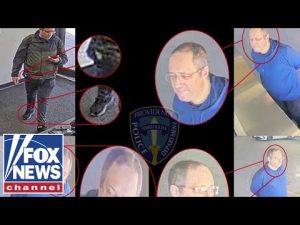
How investigators cracked the case is textbook police work mixed with luck: surveillance footage, a rental-car agreement with identifying paperwork, license-plate switching, and crucial tips — including a Reddit post and a witness who recognized the released photo — led them to the suspect. It’s telling that public vigilance, not proactive prevention, ultimately broke the trail; citizens stepping up solved what institutions and systems apparently could not.
That sequence also highlights painfully avoidable missteps. Campus blind spots and an early, embarrassing misidentification that forced officials to release an innocent person underscore how poorly prepared many universities and local agencies remain to respond to targeted violence. Students and parents deserve better than late-night press briefings and reactive photo releases after the fact.
The PR show that followed — officials thanking tipsters and taking bows for solving a case the public feared would go cold — felt self-congratulatory when what communities needed was humility and accountability. Yes, law enforcement did their job once the trail warmed, but applause shouldn’t obscure the bigger failings that allowed a dangerous man to move through our campuses and neighborhoods undetected.
There are policy implications that can’t be ignored. Reports that the suspect obtained permanent residency years ago and attended school here prompt reasonable calls to re-examine visa and lottery programs that admit people with little ongoing oversight, and to tighten background and tracking measures for individuals who show troubling behavior. This isn’t xenophobia — it’s common-sense vigilance to keep Americans safe.
Hardworking Americans want safety, not sermons. Our leaders — from university presidents to governors and federal officials — must stop offering canned condolences and start delivering concrete reforms: better campus security, clearer policing protocols, and immigration vetting that prioritizes national security. We owe the victims and their families nothing less than action and accountability.