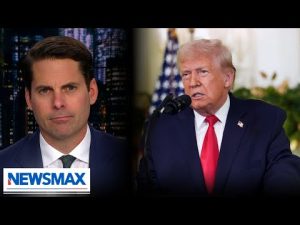
In a recent discussion on a conservative news channel, the topic of American democracy and the influence of the media took center stage, stirring up a whirlwind of thoughts and concerns. The urgency in the voices was palpable as they painted a picture of a democracy standing on shaky ground. With bold assertions about the dangers lurking in the shadows of media control and political maneuvers, it became clear that there is a lot at stake regarding the American way of life.
The conversation leaned heavily on the alarming trend of what some described as a corporate takeover of the media. Now, it’s easy to shrug this off as the typical grumblings of partisan pundits, but the discussion hinted at a deeper, more insidious issue: the growing power of a few who dictate the narratives that reach the public. Instead of a vibrant exchange of ideas, the fear was that Americans are being spoon-fed a singular viewpoint, with the potential for real information to vanish like a magician’s rabbit into thin air.
From the media lens, the conversation shifted to immigration, a hot-button issue in today’s political climate. The panelists were adamant that the portrayals of immigration policies and practices have spiraled into what they deem fantastical absurdities. They asserted that this “broken” media narrative not only misinforms the public but bolsters a system that favors globalism over national sovereignty. It’s like a game of brinkmanship where the stakes are high; just when folks thought they understood immigration policy, the rules seemed to change overnight, leading to confusion and mistrust.
The mention of judges, specifically one named James Boasberg, brought up the notion of judicial activism. The conversation suggested that some rulings, particularly those involving illegal immigrants from Venezuela, were emblematic of a larger trend where judges appear to hold more sway over immigration matters than elected officials. In this view, it feels as though the decisions impacting citizens’ lives are being made in backrooms rather than on the front lines of public discourse. To many, it seems that democracy itself may be compromised when key decisions are left to unelected judges rather than the will of the people.
As the discussion wrapped up, the urgency in the speakers’ tones underscored a call to action for citizens to remain vigilant. With the ongoing changes in media representation and judicial influence, the panelists believed it was crucial for Americans to stay informed and question the narratives being served to them. After all, in a democracy, the health of the system depends not solely on the ballot box but also on an informed public capable of engaging with the complexities of the issues at hand.
In conclusion, the throes of democracy can feel tumultuous, especially when faced with the challenges of media control and complex immigration narratives. The voices calling for awareness remind us that the essence of democracy thrives on a well-informed populace. It’s a collective responsibility to sift through the noise, seek out the truth, and ensure that the foundations of democracy remain solid for generations to come.