In the unpredictable world of geopolitics, President Trump is not one to pull his punches, and his recent actions regarding Venezuela serve as a vibrant testimony to that. The president has decided to turn up the heat on Nicolas Maduro’s regime by targeting the country’s lifeline—its oil industry. Maduro’s administration, often critiqued as illegitimate and clinging to authoritarian tactics, relies heavily on oil to sustain itself and its questionable activities. And in classic Trump style, he’s hitting them where it hurts.
The focus on shadow oil tankers seems to be part of a broader campaign to put more pressure on the Maduro regime. These elusive tankers have been playing a vital role in helping Maduro skirt sanctions and maintain power despite international disapproval. The Trump administration argues that this oil trade is not just about lining the pockets of a few but also about financing global drug trafficking networks. The latter is a serious concern, as the drugs end up causing devastation, including in our backyard, affecting countless American lives.
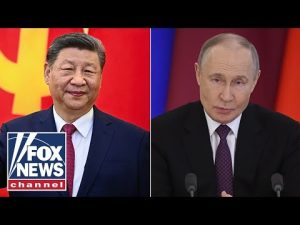
As expected, Russia and China, seasoned players in this international chess game, are loudly voicing their discontent. Russia, with its own investment in shadow tankers, and China, as a significant buyer of Venezuelan oil, obviously have economic interests at stake. They’re not happy with the U.S. trying to disrupt what looks to them like a lucrative oil parade. They argue the legality of the tanker seizures, and Capitol Hill remains divided over whether Trump has the authority to seize these tankers or even strike alleged drug boats.
But let’s face it, Trump’s approach is about as subtle as a marching band in a library. Gone are the days of what’s historically been a more restrained or “long-range” approach, characterized by aid handouts or diplomatic stern letters. This new tactic is riskier, certainly, but it’s also a stark departure from the status quo, indicating the administration’s impatience with tradition. It might not be pretty, but there’s a certain boldness to it, akin to trying spicy salsa when the rest are nibbling on bread and butter.
The question, of course, is whether this daring strategy will usher in regime change in Venezuela. While some might say this sounds suspiciously like wishful thinking, others become skeptical given historical precedents. Maduro’s resilience in the face of turmoil could rival that of Castro’s, who managed to defy predictions for decades. Nevertheless, the plight of the Venezuelan people, trapped in economic despair under socialism, is compelling. A nation with so much potential, sitting on vast oil reserves, deserves better. The hope remains that either Maduro has an epiphany and steps aside—or that the drive for change comes from within Venezuela itself.
Truly, the drama on the international stage never ceases to offer intrigue and surprises. It’s a reminder that while one can anticipate outcomes based on past experiences, politics often revels in the unexpected twists, and President Trump appears more than happy to be its chief conductor.