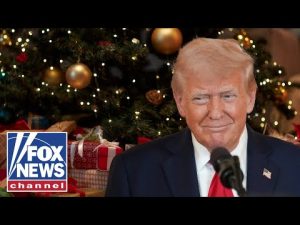
In a time when global challenges demand decisive leadership, President Trump has once again stepped up to the plate, targeting the festering issue of Christian persecution in Nigeria with his characteristic assertiveness. As the world celebrates Christmas, a time of peace and joy, President Trump remained unwavering in addressing the heinous atrocities committed against Christians in Nigeria by Islamic militants. It seems Santa didn’t need a sleigh or reindeer this year, just a few strategic military interventions courtesy of the U.S. administration.
President Trump commissioned Republican Congressman Riley Moore of West Virginia to delve into the persecution of Christians in Nigeria, a nation rated as perilous for believers of the Christian faith. Moore, no stranger to taking the bull by the horns, affirms these decisive actions as necessary. For years, the Nigerian government has been criticized for being overly passive, allowing extremists like Boko Haram and ISIS affiliates to terrorize Christians unchallenged. The measured coordination with the Nigerian government demonstrates a notable shift, emphasizing international collaboration over solitary action—a concept some might find refreshing in today’s fragmented political climate.
The festivities of the last two Christmas seasons in Nigeria were marred by attacks on Christians by the Islamic State and its affiliates, turning what should be joyous occasions into periods of mourning and fear. This year, however, President Trump’s administration delivered a potentially game-changing response. With military precision and strategic foresight, they seemingly suggested to these terrorists, “Run if you must, but hiding is futile,” leaving extremists in no doubt that their actions have finally met their match. In the spirit of Christmas, Trump might have just gifted the ultimate package—peace through strength.
The message is simple but potent: there is a zero-tolerance policy for the murder of Christians. President Trump’s actions have sent a ripple effect through international borders, reminding hostile regimes and terror groups that the United States is watching and will intervene when necessary. Senator Marcia Blackburn of Tennessee splendidly encapsulates this proactive approach, echoing the sentiment that America must address these training grounds for terror. In the land of Abuja, a rally involving both strength and diplomacy is taking shape, and the Nigerian government appears ready to take tangible action.
Despite these valiant efforts, challenges remain, notably, the plight of the 350 schoolgirls abducted from a Christian school over a month ago. The U.S. has illustrated its resolve through air strikes, doing so without deploying ground troops—an impressive feat in military strategy. As U.S. Secretary Hex, known for his unyielding stance against terrorism, hinted, this is merely the beginning of the U.S.’s involvement in Nigeria. It seems this administration is determined to see this mission through the end, setting a high bar for international intervention and an end to terror-fueled persecution. Let’s hope the Nigerian government can carry the momentum forward, because, after all, it’s their citizens who are paying the ultimate price.