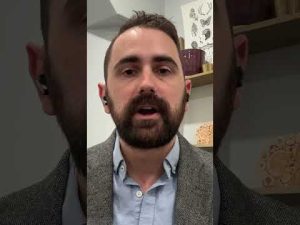
In a world where headlines often overshadow the facts, a shocking discovery in Minnesota has put the spotlight on alleged fraud involving daycare centers. The story began with an investigation led by Nick Shirley, a 23-year-old YouTuber who uncovered what he claims is a staggering $110 million in fraudulent activities. While Shirley’s revelations have sparked debate, mainstream media outlets like The New York Times and CNN have taken a rather peculiar stance, attempting to connect these allegations to former President Trump instead of focusing on the actual individuals committing the fraud.
Shirley’s investigation saw him visiting daycare facilities that were purportedly receiving millions of dollars in funding, only to find empty premises with no children in sight. This raises a big question: where is all that money going? One might wonder about the diligence of reporters who, upon reaching out to various daycares, expected these businesses to openly confess their illegitimacy. With the vast majority not responding, and only one claiming to be a legitimate operation, it seems they hoped to uncover the smoking gun through sheer optimism.
Amidst the swirl of online reactions, it’s hard to ignore the irony that the very same media outlets once so eager to call for accountability now appear hesitant to address the core issue: fraud in the community. Instead of reporting the facts, outlets like CNN seem intent on spinning the story, leaning heavily on their narrative that blames Trump rather than focusing on the alleged fraudsters. The Minnesota Republican Party has been consistent in their warning about these fraudulent practices long before Shirley’s video went viral. Their stance is clear: fraud is a longstanding issue that deserves attention, not an opportunity for political point-scoring.
Even public figures are chiming in, questioning the media’s handling of the situation. A notable tweet from investor Bill Ackman punctuates the absurdity of expecting daycare operators to confess fraud over the phone. The image painted is almost comical: a random reporter eagerly asking daycare centers if they’re running a legitimate business, only to expect them to fess up like characters in a bad sitcom. Wouldn’t it be amusing if they actually did, perhaps revealing their lavish lifestyles funded by deceit?
In conclusion, while the real perpetrators behind these fraudulent claims seem to be hiding in plain sight, it’s clear that the media’s effort to redirect the blame is less about uncovering the truth and more about maintaining an agenda. With over $9 billion in accounting already considered unaccounted for and at least 82 arrests made, the focus should remain on the facts at hand, not on political scapegoats. Nick Shirley might just be the sleuth this story needed, shining a light on the dark corners of fraud that have long gone unnoticed. As the investigation unfolds, one can only hope that the real story will rise above the noise and that accountability will take precedence over political theatrics.