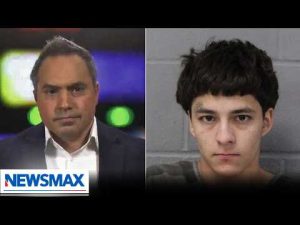
Any honest observer watching CNN saw Dana Bash try to pin down Border Patrol commander Gregory Bovino and come up short. Bash pressed video evidence and tried to frame the story as a simple tale of officers murdering a peaceful observer, but Bovino refused to play along with a theatrical, snap judgment on live television. His steady insistence that investigations—not cable TV hot takes—should determine the facts shut down the bait-and-switch line of questioning in real time.
We already know the cold facts: on January 24, 2026, a Minneapolis citizen, Alex Pretti, was shot and killed during a confrontation with federal agents in the city as part of immigration enforcement operations. Multiple onlookers captured chaotic footage at the scene, and the clip exploded across social media as the country watched a small American city spiral under the weight of politicized policing. This was not a local skirmish that stayed local; it became a national moment of outrage and confusion almost instantly.
What makes people on both sides furious is the mismatch between the initial, confident spin from some in power and the messy, unflattering video evidence that followed. Visuals circulating from several angles appear to show an officer removing a weapon from Pretti’s waistband before shots were fired, and experts and outlets have raised serious questions about how that sequence squares with the government’s first statements. Americans deserve straight talk about what happened on the street, not competing press releases and gaslighting.
Bovino, to his credit, refused to be dragged into making a headline-friendly accusation on the air. He defended his agents and called them victims of a dangerous situation, while also declining to adjudicate the shooting for a live audience when multiple videos make the scene look complicated. That posture — defend your people, but insist on process — is exactly what commanders should be doing when emotions are boiling and footage can be misleading when shown out of context.
Yet some on the right should be careful not to sanctify every official line either; accountability and transparency matter. Still, it was refreshing to see an official push back against a cable host’s attempt to turn law enforcement into a theatrical villain on demand. Too often the media’s job seems to be to manufacture moral certainty instead of letting investigators do the painstaking work of sorting facts from frenzy.
None of this happens in a vacuum. Radical activist networks and rapid-response cells were openly mobilizing around ICE operations in Minneapolis, and that coordinated pressure created the combustible environment that turned enforcement into spectacle. The truth is uncomfortable: America has a duty to secure its borders and uphold the rule of law, and at the same time we must insist on rigorous, transparent investigations whenever the state takes a life. The chaos of street theater and organized agitation cannot be the final arbiter of justice.
So where do we go from here? Families deserve answers, officers deserve fair investigations, and citizens deserve peace on their streets. The Pretti family has retained counsel and federal and local authorities are still sorting through the evidence, which is exactly why commanders like Bovino were right to refuse to let a cable panel decide guilt or innocence in real time. Hardworking Americans want both accountability and the protection of those who stand between order and anarchy — and that balance should not be surrendered to the cable news cycle.