In a recent discussion about U.S. policies regarding Iran, Pennsylvania Senator John Federman set the stage for an interesting political conversation. As the nation looks toward potential diplomatic negotiations in Geneva, led by Steve Whit, the scene is rife with tension and uncertainty. Federman, a Democrat, has made it clear that he views the situation with Iran as both serious and critical. His unique position adds fuel to the fiery debate surrounding U.S. military engagement and the looming threat of Iran developing nuclear capabilities.
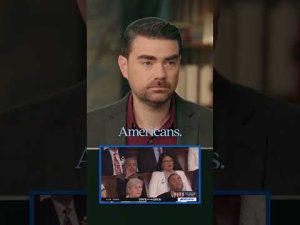
Senator Federman, in a chat filled with a practical tone, reflected on the recent State of the Union address, where President Biden brought attention to Iran. He was unusually enthusiastic when he expressed his support for the president’s stance against Iran, even claiming to be the only Democrat clapping in that moment. While his party members were largely reserved, Federman voiced a bold opinion that negotiations with Iran may not only be futile but risky. After all, past experiences have shown that deals with Iran resulted in destructive outcomes, like their accumulation of weapon-grade uranium.
He highlighted the unfortunate reality that the Iranian regime is currently at a low point, weakened by its own internal issues. This presents what he sees as a rare opportunity for American leadership to push for a change in Iran’s governance. By standing against the Iran War Powers Bill, which he intends to vote down, Federman ensures that the president has the flexibility needed for targeted military actions if necessary. It appears that this senator may be ready to hold the line on national security in a time when many in Congress might prefer to play politics.
Digging deeper into the complexities of U.S.-Iran relations, Federman questioned why his fellow Democrats seemed hesitant to stand up against a nation responsible for heinous violence against its own people. With thousands of young Iranians executed and militia groups like Hamas and Hezbollah gaining power through Iran’s will, he emphasized the urgency of a unified approach to preventing a nuclear Iran. In a humorous twist, he suggested that some Democrats might be too blinded by their dislike for President Trump to recognize the gravity of this issue. After all, an Iran with nuclear weapons could redefine regional dynamics and pose a direct threat to allies such as Israel.
Senator Federman’s frustration was palpable as he discussed the dysfunction within the Senate. The government had recently suffered a 44-day shutdown, showcasing the ongoing struggles of Congress to agree even on basic operational issues. He expressed concern that if lawmakers could not even keep the government open, how could they be trusted to take serious actions regarding threats abroad? This notion isn’t just about partisan squabbles; it’s about the integrity of American governance in the face of international danger.
In closing, Federman elegantly reminded listeners that decisions regarding war and military action are never easy. He proposed that sometimes the most strategic military strikes can ultimately bring peace. This perspective, combined with his willingness to cross party lines in support of the president’s strategic choices, paints a picture of a politician advocating for national security over party loyalty. As the world watches Iran closely, Federman’s insights provide a glimpse of the urgent and intricate deliberations that lie ahead for U.S. leadership.