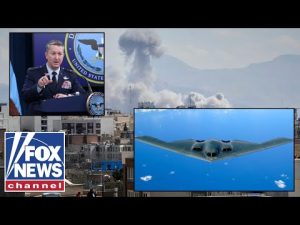
In a stunning turn of events, news has surfaced that the supreme leader of Iran, Ayatollah Khamenei, has been taken out of the equation by a joint effort from American and Israeli intelligence. This monumental moment marks a significant milestone in the long history of U.S.-Iran relations and has set the stage for a new chapter in Middle Eastern politics. What makes this operation stand out is not only its success but the immense skill and intricate planning behind it. The meticulous tracking of Khamenei, alongside his entourage of bodyguards, demonstrates a level of sophistication that hasn’t been seen in previous military operations.
The operation’s timing is equally remarkable—Khamenei was eliminated almost immediately, on day one of what many believe could lead to a turning point in regional stability. It stands in stark contrast to historical missteps, such as the long hunt for Saddam Hussein, which dragged on and fueled a growing insurgency. One can’t help but reflect on how different things might have been if previous administrations had dedicated as much effort to tracking leaders like Hussain as they did to, shall we say, less pertinent distractions. For years, the conversation was dominated by weapons of mass destruction that, spoiler alert, never materialized. Perhaps if the focus had been on more pressing threats, territories could have been better secured and lives spared.
However, this operation illustrates a clear lesson in modern warfare: precision is crucial, and timing is everything. While the world has witnessed countless military campaigns that have gone awry, this particular action showcases what can happen when intelligence and technology align perfectly to eliminate a serious threat swiftly. The technical capabilities employed in this operation could serve as a blueprint for future missions, demonstrating that learning from past experiences can yield fruitful outcomes.
The aftermath of Khamenei’s removal could indeed reshape the dynamics within Iran. He was not only a formidable leader but also the second person to hold this power since the hostage crisis of 1979. The strongman figure often inspires a cult of personality among followers, and one wonders how genuine that support really is. Many citizens may find themselves relieved yet apprehensive about a sudden shift in leadership. History has shown us that regimes can be brittle, and the question remains: who will rise to fill the void left by this significant figure?
As discussions continue about the ramifications of this bold move, it will undoubtedly find its place in military textbooks and be dissected for years to come. Whether future generations will study this in printed form or consult AI, the importance of the operation remains timeless. It stands as a testament to the capability of intelligence when it is not bogged down by past mistakes. So, while one may chuckle at historical references like shock and awe, this decisive moment shines brightly on the horizon, showing that perhaps, just perhaps, today’s military leaders are learning from yesteryear’s blunders.