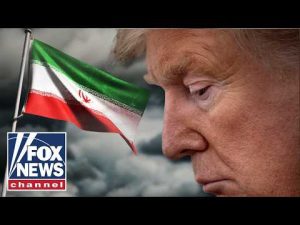
As the situation in Iran unfolds, we find ourselves in what some might call the “fun part” of military intervention. It’s an odd way to describe warfare, yet there’s a certain sense of triumph in seeing American forces dominate a known adversary. The image of a submarine torpedoing an Iranian warship brings a swell of national pride, especially considering the bravado and authority backing these actions. America, with its military might, enjoys a unique advantage over Iran, a nation led by leaders with few allies and even less popularity. But let’s not get too comfortable sipping our celebratory whiskey yet.
This sense of victory can easily cloud judgment, particularly when considering the next steps. Destroying an enemy’s capability might be a significant feat, but the real challenge lies in rebuilding. It’s relatively simple for a powerhouse like the U.S. to dismantle infrastructures and governances, yet history has shown us the complexities in fostering a stable, friendly regime where chaos once reigned. Iran’s future governance stands as a precarious question. Who will rise to power that appeases not only America’s strategic interests but also gains the trust and acceptance of its own citizens?
Navigating through regime changes is no straightforward task. The Trump administration, aware of the potential pitfalls, stands at a crossroads. Installing a government that supports our vision without appearing as puppeteers? That’s the tightrope act. History tells us of the dangers involved when foreign intervention dictates regime structure. The risk of creating more unrest than stability is always around the corner.
This conversation isn’t limited to Iran. As conversations turn towards Cuba, echoes of a similar dilemma chant. Cuba’s strategic position, a mere 90 miles from U.S. shores, begs scrutiny under any administration with an eye towards asserting the Monroe Doctrine. But as we learned with Iran, toppling one regime does not guarantee an immediate success story. Cuba’s current economic woes provide an opening for change; however, choosing the right path to support this transition remains the challenge. Whether or not U.S. intervention will translate into positive government reform is a loaded question.
In both international arenas, the underlying theme is clear: it’s one thing to tear down; entirely another to build up. America must proceed with caution and strategic discretion. Break down the barriers, yes, but don’t forget to lay the groundwork for what follows. Replacing tyranny with sustainability is an art that requires both foresight and patience. Amidst the thrill of current achievements, America must ensure it’s prepared for the morning after the night of revelry.