In Chicago, Reverend Jesse Jackson’s recent commemoration served as a poignant gathering, drawing attention from across the political spectrum. Despite requests from Jackson’s family to leave political discussions at home out of respect for his legacy, the service subtly shifted into a platform for prominent political figures. This occurrence prompts reflection on the necessity of separating personal tributes from political maneuvering in spaces meant for mourning and celebration of life.
Attendees such as Joe Biden, Kamala Harris, and Barack Obama paid respects, demonstrating the broad reach of Jackson’s influence. However, their speeches contained political undertones, despite Jackson’s son urging for a focus solely on his father’s life. This underscores a growing tendency seen at public commemorations of notable figures, where political agendas overshadow personal legacies. While public figures naturally attract discussions of policy and leadership, it’s important to prioritize personal tributes over political rhetoric in moments meant for reflection and mourning.
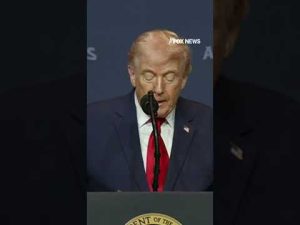
The absence of Donald Trump, despite his past association with Jackson, led many to speculate on his reasons for not attending. Whether by choice or circumstance, it highlights how some individuals steer clear of politicized environments, even in personal matters. Trump’s past positive statements about Jackson suggest an ability to separate personal admiration from political disagreements, setting an example of respecting personal history over political alignments.
Kamala Harris and Barack Obama took the opportunity to weave messages about current societal challenges into their tributes. Harris expressed a sense of forewarning about present issues and Obama emphasized a call to action for societal change. While these messages reflect their roles as leaders, they underscore the delicate balance between celebrating a life and using the occasion to further political messages. Attending figures arguably missed an opportunity to honor Jackson’s work without leaning into broader political discussions.
Ultimately, Jesse Jackson’s service serves as a reminder of the importance of respecting the wishes of a bereaved family, focusing on personal stories and achievements rather than divisive rhetoric. In a time of mourning, unity and shared remembrance should take precedence over public political statements. Appreciating a life well-lived should remain central to these gatherings, promoting genuine respect and honoring personal legacies.