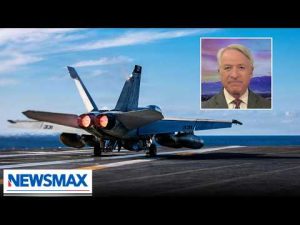
In a dramatic turn of events in the Middle East, the United States, in cooperation with Israel, has initiated a bold naval operation known as Epic Fury. This strategic move is focused on diminishing the threat posed by Iran and ensuring that its military capabilities do not reach beyond its shores. Leading these efforts is Commander Kirk Lipold, former commander of the USS Cole, which was infamously attacked by al-Qaeda in 2000. With his extensive experience, he sheds light on the current situation and the objectives of this naval operation.
Initially, Epic Fury kicks off with a decisive blow aimed at the leadership of the Iranian regime. The United States aims to significantly limit Iran’s ability to threaten others, particularly in the crucial Strait of Hormuz, an area vital for global oil transport. Soldiers aboard American naval ships are on high alert as they work to ensure that Iranian forces cannot launch attacks that would jeopardize vital oil supplies coming from the Middle East. The commander confidently expresses that progress has been made, but warns that challenges remain.
One of the main concerns during such operations is the risk of small craft armed with explosives, which could potentially cause serious damage to United States vessels. The commander acknowledges this issue and emphasizes the importance of degrading the Iranian Navy’s capabilities. By doing so, the U.S. Navy can position its ships closer to Iranian waters, allowing for better surveillance and the ability to take action against any potential threats. It is clear that any boat leaving Iranian shores with ill intentions will not be ignored.
As the United States strengthens its naval presence, President Trump has expressed a commitment to using the Navy to escort oil tankers through the notoriously hazardous Strait of Hormuz. Historically, during the late 1980s, the U.S. executed similar escort missions to protect tankers from potential attacks during the Iran-Iraq War. By instilling confidence in the shipping industry and providing robust naval support, the President aims not only to protect these vessels but also to ensure a steady flow of oil to stabilize global markets and support his economic agenda—a true win-win situation if it all goes as planned!
Looking ahead, Commander Lipold envisions that this operation will unfold over several weeks, with a systematic approach rather than a rush to completion. The end goal is clear: to create an environment where Iran’s theocratic leadership can no longer wield power and to enable the Iranian people to reclaim their future. The hope is that through sustained military pressure, the Iranian Revolutionary Guard Corps and internal security forces will be significantly weakened.
While there are no quick fixes in this complex landscape, the commander conveys optimism regarding the future. As the United States continues to work diligently to restore stability in the region, the involvement of naval assets is crucial to ensure safety and security. Time and effort are required, but the ultimate goal of freeing Iran from oppressive leadership while maintaining a secure environment for global oil transportation remains firmly in place. With strategic maneuvers like Epic Fury, it seems the U.S. Navy is ready to take on that challenge.