In the world of international politics, it’s always the same players and the same old problems. Cuba, for instance, is frequently mentioned as a troubled nation, forever teetering on the edge of change. It’s like watching a rerun, where the plot never surprises. The Cuban people have endured decades under a failing regime, one that has clung to power despite an obvious lack of resources. For years, Cuba relied on Venezuela for support, much like a younger sibling relying on an older one for lunch money. Yet, with Venezuela itself undergoing a historic transformation, Cuba finds itself without friends, much less pocket money or a tank of gas.
In a world where negotiating with adversaries is a daily task, some situations present themselves as almost too good to be true. That’s where Cuba stands now, reaching a point where change is not just possible; it’s inevitable. The charm of socialism has worn off, and the economic realities have left the Cuban government scrambling for means to sustain itself. The lack of oil and financial support from Venezuela has hit them hard. Airplanes can’t even refuel to leave the island, metaphorically grounded, much like the future of its current regime unless it changes course.
Yet, in this region of turbulence, hope sparkles on the horizon. Recent developments suggest that there might be a deal on the table between Cuba and some key players in the Republican party. The optimism in these discussions hints at a future where Cuba can emerge with an invigorated system. There’s talk that a resolution could be negotiated quickly if all parties show up in good faith. Maybe Cuba can finally break free from the chains of its longstanding failures and head towards prosperity.
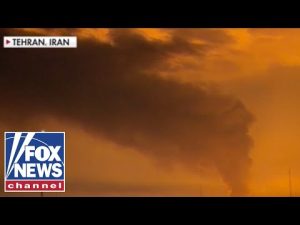
Amidst this, however, there is a broader context. While Cuba might be ready for change, the focus, for now, remains on the Middle East and particularly on the complexities involving Iran. Yet, there is a hint of humor in the suggestion that once affairs in Iran are addressed, Cuba’s situation could be resolved in a mere matter of hours. Perhaps this is sarcasm, or perhaps it’s a reflection of just how eager and straightforward the path to a new Cuba could genuinely be.
For far too long, numerous nations have awaited the moment when they could extend a helping hand to Cuba. Some view this as a mere favor, one that involves finishing a task that’s been on the international to-do list for far too long. If Cuba can rise from this moment of hardship, it will signify a new chapter not only for the island itself but for the broader region eager to witness positive transformation.