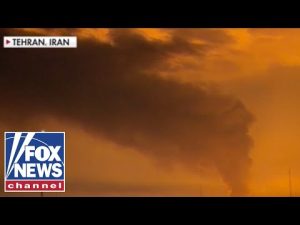
In a world swirling with conflict and geopolitical chess games, two retired military experts recently gathered to delve into the latest developments involving Iran and the broader implications for the region. Blaine Halt, a retired brigadier general from the U.S. Air Force, and Darren Gal, a retired lieutenant colonel in the U.S. Army, brought their extensive knowledge to the table, dissecting the complexities of military strategies, economic sanctions, and the potential fallout from burgeoning tensions.
One of the pivotal points raised during their discussion was Iran’s Islamic Revolutionary Guard Corps (IRGC) and its growing operational freedom. Halt emphasized that while Iranian officials may express a desire to mitigate tensions, the IRGC seems to be operating independently in its attacks. This autonomy raises concerns about the potential ramifications of an ongoing conflict and the question of whether the Iranian regime is in danger of collapsing under its own weight. Meanwhile, the United Arab Emirates (UAE) is reportedly considering freezing Iranian assets, which could have substantial impacts on Iran’s economy and international relations. The vast financial resources held by Iran in Gulf banks make this possibility particularly noteworthy.
But what happens if the UAE indeed takes that step? Would it further exacerbate tensions in an already volatile region? Halt suggested that the potential freezing of assets might not be as straightforward as it seems since the actions of the IRGC could invite retaliation and could also affect the Iranian populace that seeks a better future. The abandoned oil infrastructure left in the wake of recent strikes poses yet another dilemma. If these attacks are designed to limit the IRGC’s capabilities, Halt expressed worry that they could inadvertently harm the very citizens that the leaders claim to support.
Darren Gal chimed in on the urgency of the situation following attacks on Iran’s oil infrastructure. He echoed Halt’s concerns, noting that beneath the strategic military moves lies a heart-wrenching reality: 90 million Iranians are waiting in the wings, yearning for freedom and economic opportunity. Such airstrikes, while perhaps tactically sound, could cripple the rebuilding efforts of the Iranian people if the conflict escalates. If actions against the oil sector continue, it might signify a disconnect in strategy that could affect not just diplomatic relations but also the livelihood of countless innocent families in Iran.
Interestingly, the conversation turned to how these events influence broader global dynamics, particularly involving Russia and China. With Russia’s reliance on oil, especially in the wake of sanctions, the ramifications of Iran’s diminishment become even more pronounced. The potential for mounting oil costs due to disruptions in shipping and insurance challenges raises eyebrows, especially regarding European stability.
As the experts dissected the implications, it became apparent that a strategic pivot might be in order for the United States. By potentially offering to facilitate shipping and lessening insurance burdens, the U.S. could play a vital role in stabilizing the oil market, countering rising prices, and advocating for peace in a turbulent world. The complex web of alliances and economic realities makes for a delicate balance, and the upcoming decisions could alter the landscape significantly.
In this ever-evolving story, it is clear that geopolitical strategies require a level of foresight that encompasses not only military might, but also a profound understanding of the human consequences behind these maneuvers. With stakes as high as they are, the next moves made by world leaders will be pivotal in shaping the future for both the Iranian people and regional stability as a whole.