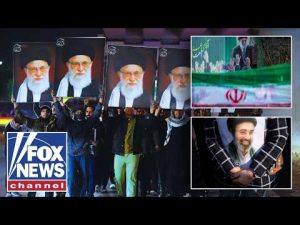
In the ever-evolving world of warfare, an unassuming little drone is making quite the splash—though not in the cheerful way one might hope. This drone, often dubbed a kamikaze drone, has origins that trace back to Iran. Costing around a mere $100, this tiny terror can zip across the skies at a speed of 100 miles per hour. It’s a stealthy little contraption that has the power to complicate even the mightiest of defense systems, showcasing how technology is reshaping the battlefield. As discussions surrounding this drone develop, many are left pondering just how these ever-present robotic warriors might influence the future of conflict.
The current situation is far from lighthearted. Civilians have found themselves on the receiving end of these attacks, which are primarily aimed at U.S. military targets. While the goal may be to strike at American installations, it seems that innocent lives are caught in the crossfire more often than anyone would like to admit. The dilemma of balancing military objectives with civilian safety is one that has frustrated soldiers and policymakers alike through the ages. But that’s just the reality of modern warfare—complicated, messy, and all too deadly.
Iran has certainly been ramping up its military activities in recent weeks, launching attacks across the Gulf region. Depending on who you ask, it could seem as though this surge in aggression is a calculated strategy or perhaps a desperate attempt to reassert power. With military installations piling up on their target list, one must wonder: is Iran truly focused on its American adversaries, or has it let loose the hounds of chaos on the region? Unfortunately, many suspect there’s more than meets the eye when it comes to the motivations behind these strikes.
At the center of Iran’s diplomatic landscape is a figure who pops up on television like a game-show host—an intriguing foreign minister who appears quite unruffled. While his country faces criticism and backlash, this man is quite the charismatic individual. His ability to express Iran’s perspective, and a sense of national pride, paints a unique portrait of conflict where both sides feel justified. Many viewers might even find themselves wondering if this man could potentially engender a new path for Iran, one where communication reigns over confrontation.
As the conflict unfolds and tensions reach a boiling point, the landscape is one of uncertainty. The innovative drones remind us that cheap technology has an uncanny ability to upend traditional warfare, while the diplomatic discussions call into question who might be a potential partner for peace in the future. As many brace for what lies ahead, the ultimate question hovers: is the world ready for this shift, and will a new level of warfare define the coming years? There’s much to keep an eye on, but for now, everyone is watching, waiting—and hoping.