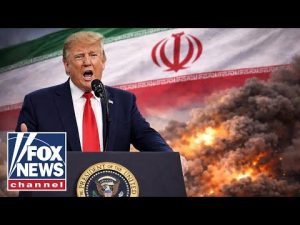
In a high-stakes game that seems more fitting for a Tom Clancy novel than real life, President Trump is once again flexing his international muscles. This time, the stage is set on Car Island, a pivotal asset in Iran’s economic infrastructure, reportedly handling a whopping 90% of its oil exports. Sentcom has unleashed a barrage on 90 military targets there, showcasing America’s military prowess and sending a clear, albeit not-so-subtle, message to Tehran. Alongside this show of force, a contingent of 2500 Marines stands ready, serving as a reminder that when it comes to geopolitical chess, the United States is not just playing; it’s rewriting the rulebook.
The calculus here is straightforward yet complex. By focusing their attention on Car Island, the hope is to nudge Iran towards reconsidering its choices. President Trump, with his unique brand of diplomacy, is offering Iran a way out before things escalate further. With the weight of military might poised over Car Island, the Iranian regime is presented with a clear choice: take the off-ramp to peace or face further consequences. Meanwhile, Trump is playing the long game, aiming to preserve vital infrastructure while keeping diplomatic channels open. It’s a balancing act, a delicate dance between aggression and negotiation, all aimed at halting Iran’s nuclear aspirations.
The global community isn’t standing idly by. Leaders from countries like China, the UK, and Japan are watching with bated breath—after all, 20% of the world’s oil flows through the Strait of Hormuz. President Trump has suggested it’s high time these nations pony up and contribute to securing this vital waterway. The United States, after all, is not the sole stakeholder affected by the Strait’s potential closure. Yet, as usual, the world seems to rely heavily on America to lead the charge. Perhaps this coalition of nations will prove more than just a ragtag band of merry followers, but let’s not hold our breath.
Iran, not to be outdone, has employed a mix of high-tech and old-school tactics, creating chaos in the Strait by harassing commercial shipping. This isn’t just about firing missiles from the shoreline; it’s a bigger game involving signal jamming and other disruptions that make for a maritime nightmare. Swift actions by the US military aim to put these antics to bed and restore order, as a sense of security is indispensable for commercial shipping to resume. President Trump aims to rally the troops, literally and figuratively, to ensure that the global economy doesn’t hit a bottleneck courtesy of Tehran’s machinations.
As tensions hang in the balance, there’s little doubt that this situation is about far more than just oil or shipping lanes. At its core lies the pressing nuclear conundrum. Iran’s enrichment of uranium is troubling, with stockpiles reaching significant levels of purity. Could control of strategic locations like Car Island be the lynchpin to resolving this nuclear threat? President Trump seems to think so, as he remains adamant about preventing Iran from crossing that nuclear threshold. The stakes are high, and the world is watching. While the financial cost of this endeavor might have some skeptics wringing their hands, the potential payoff—enhanced peace and stability in a volatile region—could be priceless.