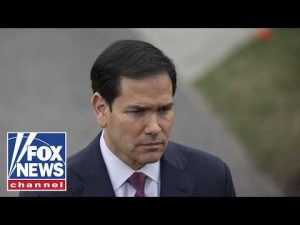
The world of politics often feels like a never-ending drama, with twists and turns that could rival a primetime TV series. This latest episode revolves around the legacy of Robert Mueller, a name etched in the history books for reasons both celebrated and condemned. At 79 years old, his career may have reached its twilight years, but his actions leave a lasting legacy—or controversy, depending on who you ask. For some, this is the perfect opportunity to reflect on Mueller’s time atop the FBI and the tangled web of events during and after his tenure.
For starters, let’s rewind to a period when Robert Mueller was at the helm of the FBI during pivotal moments in American history. Just days before the tragic events of September 11, 2001, Mueller took charge. Fast forward a few years, and we see him navigating through the turbulent waters of the Jeffrey Epstein saga. His critics assert that during these years, the justice system, under his watch, seemingly allowed the infamous Epstein to evade a fate that could have silenced his dark deeds before they echoed so loudly across the nation.
Continuing this narrative, we find ourselves in the thick of the infamous Russiagate—an investigation that dominated the headlines and political discourse during Donald Trump’s presidency. Opinions are split, sure, but in the end, the investigation wrapped up with a conclusion that found insufficient evidence to prove collusion between Trump’s campaign and Russia. Much to the conservative camp’s delight, any implication of treachery was swept away like crumbs from a table. But not without first leaving a hefty $32 million bill to the American taxpayers.
This massive investigation was seen by some as nothing more than a political charade—a theatrical performance designed to hobble President Trump’s first administration. Trump himself, with his flair for the dramatic, famously labeled it a witch hunt, and his disdain was nothing if not palpable. Many Republicans were left shaking their heads in disbelief; the whole affair seemed like a massive wild goose chase, with plenty of bark but no bite to back it up.
Interestingly enough, even as the shadows of Mueller’s career linger on, the ties, real or perceived, between American politics and foreign actors remind us of a world where power dynamics are complex and rarely black and white. Mueller’s actions, or perhaps inactions, serve as fodder for those questioning the integrity and biases within the justice system. As debates rage on about what could or should have been done differently, one thing is certain: the Mueller narrative will remain a fascinating chapter in America’s ongoing political saga.
As the dust settles, some might breathe a sigh of relief, while others continue to scrutinize every detail. Regardless of where one stands, the legacy of Robert Mueller is sure to keep tongues wagging and discussions heated. Whether seen as a flawed hero or a villain of convenience, his impact on America’s political landscape is undeniable and will be dissected for years to come.