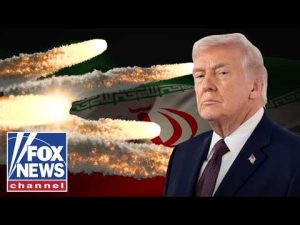
The scene in southern Israel is one of devastation and chaos as Iranian ballistic missiles have pounded the city of Arad, injuring more than a hundred people. This attack, part of a recent escalation in tensions, underscores the ongoing threat posed by Iran’s missile capabilities. Despite supposed reductions in Iran’s missile firepower due to US and Israeli strikes, the fact remains that these missiles are still raining down on Israeli cities. It seems Iran is bent on keeping everyone on the edge of their seats, creating a theater of destruction that nobody wants tickets to.
President Trump, in a move reminiscent of a blockbuster action film, has given Iran an ultimatum: open the Strait of Hormuz or face devastation. In what sounds like an audition for a role in a high-stakes political drama, Trump isn’t holding back. His demand reflects a strong stance against Iran’s aggressive actions and their threat not only to regional stability but also to global security. It’s a stark reminder that diplomacy sometimes feels more like a wrestling match with high stakes, where the main prize is peace.
The Israeli Prime Minister, Benjamin Netanyahu, has been emphatic about the danger Iran poses to the entire world. In a tour of the damage in Arad, Netanyahu, always the composed leader amid chaos, has reiterated the need for international solidarity against Iran’s violent provocations. The reality he paints is bleak: these attacks are not just threats but acts of war that call for a united global response. He has subtly hinted that while some world leaders are emerging from their diplomatic slumber, more effort is needed.
The situation is further complicated by Iran’s unexpected missile attacks at Diego Garcia air base in the Indian Ocean. This incident has definitely caught the international community off-guard. If European leaders needed a wake-up call, this was it—a loud and clear alarm blaring that they can no longer ignore the Iranian missile threat. It’s as if Iran has given us an unwanted geography lesson, pinpointing European capitals that could be within its missile range. Europe now finds itself with more at stake than just wine and cheese; its very security is under threat.
In spite of US Central Command’s optimistic statistics about degrading Iran’s missile capabilities, the reality on the ground in Israel suggests a more worrying picture. It’s like boasting about a diet while devouring a box of donuts—the missiles continue to fall, and the devastation persists. The US and Israeli operations may have disrupted Iran’s production lines, but it’s clear that the current threat is far from over. This situation requires a firm, united stand, one that faces the reality that Iran’s unpredictability remains a danger to global security.