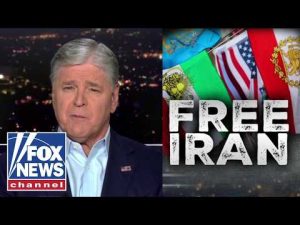
In the latest chapter of President Trump’s ever-entertaining saga, the Commander-in-Chief claims to have had productive talks with Iranian leadership about ending a war that everyone seems to have grown tired of. However, Iran, in typical fashion, denies any such conversation, leading to a classic “he said, she said” scenario. Trump’s announcement comes with his well-known flair, suggesting he’s hit pause on what sounded like an explosive plan to annihilate some Iranian power plants – a move that was clearly designed to shock anyone listening and keep them guessing what’s next.
Cynics will roll their eyes, but this is a familiar dance for Trump, who’s known for his unpredictable antics. Once again, he’s potentially holding all the cards by extending his deadline by five days to strike a deal that he assures could be as beneficial as a good old fashioned military strike. The President, ever theatrical, likens the potential agreement to avoiding armageddon, preferring negotiation over turning power plants into fireworks fodder. Of course, this isn’t received well by everyone; opinions vary from disbelief to outright horror, especially from those who always seem to side with the Iranian perspective.
Here comes the comedic twist: while Trump announces conversations, the media eagerly takes Iran’s word that no chats have happened. This would be funny if it weren’t so predictable. After all, Iran, with a history of fibbing about nuclear ambitions and tall tales of military prowess, would naturally deny any sneaky side chats. However, the scene back home is one of political bizarreness where folks believe whatever fits their narrative, no matter how outlandish.
Meanwhile, a surprising voice, Trump’s financial advisor Scott Besson, echoes a hawkish standpoint, asserting that the war will wind down only after a hefty wind-up. This paradoxical wisdom, with its talk of escalating to deescalate, comes off as a lesson in how confusion can sometimes pave the way for negotiation. It’s a path that, bizarrely enough, just might work, considering how it’s kept everyone, including jittery markets and anxious allies, on their toes.
Finally, the world’s eyes are on this little game of chess being played in Middle-East diplomacy. Allied nations are lining up behind Trump’s strategic moves, while Democrats at home continue their perennial grumble. The ball remains in Iran’s court to see if they will join the dance genuinely or stick to playing the defiant coy card. For now, at least, the rest of the world seems to be siding with Uncle Sam, albeit with one eyebrow raised. The ongoing spectacle ensures that political junkies and skeptics alike are glued to their seats, waiting to see what new surprise act unfolds in this high-stakes geopolitical stage play.