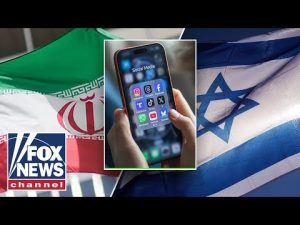
The political theater in the Middle East continues its dramatic descent into chaos, with the spotlight once again on the age-old adversary, Iran. This week, the world observed the highly anticipated demise of a notorious leader, only for Iran to present another equally unpalatable character, setting the stage for further international tension. Meanwhile, American troops continue to gather in the region like a well-orchestrated military musical, adding yet more burden to our oil-hungry economy and raising the ever-present specter of armed conflict.
In the broader scope of this drama, American lives have been sadly lost as the conflict inches toward a prolonged display of power and resistance. The region remains on a knife edge as U.S. involvement teeters between a show of good old American muscle and the possibility of messy ground engagements. On the sidelines, peace talks offer the slim hope of resolution, even as regime change in Iran looks like a switch from one despot to a potentially worse successor—like trading a Cold War for a nuclear winter.
The Iranian regime has proven to be more resilient than a seasoned con artist at a poker table, surviving air strikes and internal dissent with surprising tenacity. And it isn’t just the oppressive government testing its patience; the Iranian people’s desires seem clear, but they’re outgunned and trapped under the iron fist of the Revolutionary Guards—making their cries for change more of a distant whisper. The new leadership, promisingly younger but creatively regressive, appears likely to follow in the predictable footsteps of its predecessor.
What then, one wonders, would mark true success in this hostile engagement? A mere substitution of a fiery leader for a milder dogmatist is hardly satisfying. If anything, the cycle of sanctions and sabre-rattling appears likely to persist absent any changed outcomes. Even the prospect of U.S. and Israeli air strikes hardening Iran’s resolve leaves little optimism for sustainable change without some dramatic shift—perhaps a minor miracle served with a side of diplomatic ingenuity.
The CIA, a steadily calculating player in this geopolitical chess game, is pondering the ultimate question: how to sow discord within Iran’s hardened security forces in the hopes of pushing for peace from within. Tugging at seams and hoping for a monumental rift seems a long shot, but, as history has shown us, stranger things have happened. With whispers of clandestine engagements and potential motivations for Iran’s security establishment to opt for economic growth over military might, there’s nothing quite like the possibility of a better deal to keep everyone guessing. With stakes as high as these, the betting men might just get their day.