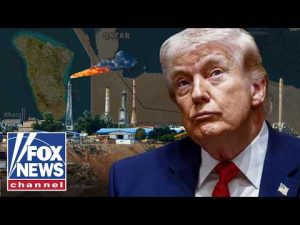
In recent weeks, the world witnessed a dramatic rescue operation deep within Iranian territory, where a U.S. pilot was successfully extracted following the downing of an F-15E fighter jet. The daring mission showcased the exceptional capabilities and bravery of the U.S. military, highlighting once again the unwavering commitment to ensuring that no American soldier is left behind. This operation, although costly in material terms, underscores essential American values of loyalty and perseverance.
The intricate rescue involved hundreds of U.S. military personnel and dozens of aircraft navigating through hazardous conditions and hostile territory. Despite the significant risk and potential for escalation with the Iranian military, the mission was a success. This illustrates the lengths to which the United States is willing to go to protect its service members. It raises questions about strategic priorities during international emergencies, yet the clear focus remains on safeguarding American lives above all else.
Simultaneously, the Israeli military conducted targeted strikes on Iranian infrastructure, aiming to cripple Iran’s ability to manufacture weapons. This aggressive stance aligns with Israel’s longstanding commitment to dismantling perceived threats from Iran and adds a layer of complexity to the situation. While such actions often raise international concerns about potential civilian casualties, proponents argue these measures are critical to preventing further military aggression from Iran.
President Trump’s administration has also been negotiating with Iranian officials, seeking a diplomatic resolution to the tensions. Yet, the president has not shied away from employing tough rhetoric, making it clear that failure to reach an agreement could result in severe consequences for Iran. His stance reflects a broader strategy of using military pressure and negotiation simultaneously to achieve favorable outcomes.
In a volatile region rife with political and military challenges, the U.S. and its allies remain vigilant. The recent events serve as a stark reminder of the complexities involved in navigating international diplomacy and military interventions. While the immediate priority is the safety of American personnel, the ultimate goal is regional stability, potentially leading to a more peaceful future. As always, actions taken today will echo through the international community, shaping the geopolitical landscape of tomorrow.