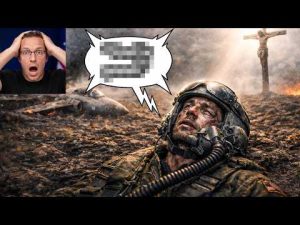
An enemy pilot is rescued from behind enemy lines after a daring mission involving U.S. military intelligence. This event marks a significant achievement, showcasing the precision and determination of the United States armed forces. It proves that when our military declares, “No one is left behind,” they mean business. The efforts involved a complex web of intelligence gathering, with satellites, human intelligence, and signals intelligence all playing crucial roles. In partnership with Israeli allies, this operation became a top priority, and the successful return of the weapons systems officer highlights America’s unwavering commitment to its military personnel.
From the perspective of a former naval aviator, the reality of potentially being stranded behind enemy lines is always a possibility. Aviators are trained to be ready for this situation, focusing on how to stay hidden and communicate effectively for rescue operations. But let’s not sugarcoat reality—the military isn’t playing in a low-stakes poker game. This mission saw the loss of several aircraft, including an F-15 and an A-10, alongside damaged helicopters and C-130s. That’s some serious hardware sacrificed for the successful rescue of this aviator, illustrating the depths America will go to protect its own. Bravo to the rescue teams for managing to bring these individuals back home.
The mission also showcases the American intelligence community’s capabilities, highlighting their sophisticated deception campaign to locate one individual hiding amid the vastness of a mountain range. This rescue operation might be a tactical victory, but the real questions remain. With Iranian forces still posing a threat, this conflict isn’t wrapped up in time for the credits to roll. The expectation for a quick resolution might just be wishful thinking, as the ideological core of the Iranian regime still stands. One has to wonder if this tactical win will transfer into a long-term strategic victory, or if the American forces will be playing cat and mouse for months on end.
For American service members witnessing these events unfold, such rescues reinforce their confidence in the leadership. From the Commander-in-Chief down, there is a clear message: If you put on the uniform, America will have your back. However, the global scene isn’t as simple as a flashy Hollywood rescue. Now, with troops being deployed and tensions rising over Iran’s activities, the strategy seems less about winning a game of chess and more like a game of Russian roulette. The annals of foreign diplomacy have surely seen better days.
Ultimately, the administration has some weighty decisions to consider moving forward. It’s not merely about choosing which islands to storm or which assets to deploy; it’s about defining the actual goals of this engagement. Is it regime change, dismantling Iran’s military capabilities, or something else entirely? These decisions will chart the course of America’s actions in the Middle East, a region that has long been a geopolitical web of complexities. One false move could change the climate from tactical victories to strategic missteps. In the fog of war, preserving tactical success while remaining vigilant about broader objectives is the tightrope the administration must navigate.