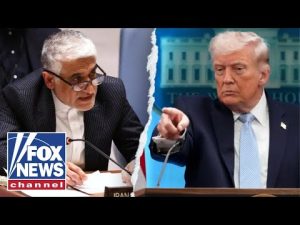
In the latest whirlwind of political dialogue, a clash of perspectives has once again illuminated the divides in American politics. Ro Khanna, a Democratic Representative from California, shared his thoughts on the rhetoric surrounding Iran, sparking a conversation that dives deep into the heart of U.S. foreign policy. Now, while everyone loves a good debate, this one is a classic showcase of what happens when diplomacy and the politics of bravado collide, much like an unstoppable force meeting an immovable object, but perhaps with a bit more diplomacy and a lot less physics.
Khanna criticizes the notion that threatening Iran with obliteration aligns with American values. He reasons that American moral high ground never included wiping an entire civilization off the map, an idea he finds completely at odds with historical U.S. diplomacy. The mood here is reminiscent of when someone inadvertently skips a “How to Be a Diplomat 101” class and suddenly finds themselves in the spotlight. Historically, America, as a leader on the global stage, has prided itself in containing threats strategically, not bombastically threatening to eradicate entire nations.
Martha, the host, presents a counterpoint focused on the immediate need to pressure Iran into ending threats and violations against American interests and allies. She insists that Iran’s long history of aggression necessitates a strong stance. Surely, the idea is that one needs a big stick in hand to get a rogue state to the negotiating table, which, as history shows, is not always about literal sticks. Yet metaphorical or not, the suggestion here is that only the threat of true consequence could bring Iran’s leadership to heel.
Khanna’s response to this echoes a different strategy: why not negotiate and maybe try a bit of that old-fashioned diplomacy? This, the Representative argues, is how America has always differed from regimes that lean on intimidation and outright aggression. He highlights the failures of military interventions in places like Libya and Iraq as cautionary tales of what happens when action precedes thoughtful diplomacy and prudent consideration of civilian lives. Perhaps deep down, what he really means is that some sabers should not be rattled, lest they awaken more trouble than anticipated.
The discussion delves into whether previous administrations, such as those led by Reagan or FDR, would employ today’s fiery rhetoric. The suggestion here is that past presidents communicated their resolve without compromising American principles. Khanna questions if moral standards are still holding their ground in an era of such verbiage. Implicit in his argument is the notion that great leaders have always known when to draw the line between strength and recklessness. Call it a balancing act or simply common sense; either way, it’s these moments that define the legacies of past administrations.
In essence, this debate encapsulates the enduring tension within U.S. foreign policy: how to maintain peace without unleashing the dogs of war. The approach America takes will inevitably influence not just its global standing but also how it defines itself in these tumultuous times. As both sides of the conversation illustrate, perhaps the challenge lies not only in finding solutions but in ensuring those solutions mirror the core values that America claims to stand for: liberty, hope, and justice for all—without threatening to annihilate anyone in the process.