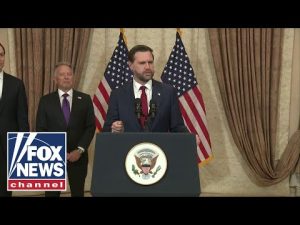
In the bustling world of intense political negotiations, the United States team has returned home without reaching a definitive agreement with Iran over their nuclear ambitions. As the reporters eagerly awaited snippets of the discussions, the reality remained that the negotiations ended in disappointment. While everyone acknowledges the admirable efforts of the Pakistani intermediaries, the real stumbling block was the unwavering stance of the Iranian delegation. It’s quite the situation where the U.S. laid out its boundaries, like an exasperated teacher with unruly students, only for Iran to choose anarchy over order.
The key issue at the heart of the negotiation was Iran’s commitment—or lack thereof—to not developing nuclear weapons now or in the foreseeable future. It seems simple enough, right? Yet, the Iranians, much like a stubborn toddler refusing to eat their vegetables, just couldn’t swallow this proposal. The U.S. officials were not shy about expressing their dismay, emphasizing that this was more Iran’s loss than theirs. It’s a tad amusing when one considers the narrative that Iran’s facilities had already been significantly destroyed, and yet here they were, still clinging to their nebulous nuclear ambitions as if it were the last piece of candy in the jar.
Various topics, including discussions about Iran’s frozen assets, were broached during the negotiations. While these discussions were likely as engaging as a marathon viewing of paint drying, they unfortunately led nowhere. Despite the flexibility and accommodating spirit displayed by the Americans, the Iranians played hardball, turning back empty-handed. The U.S. team’s earnest attempts to extend an olive branch were met with predictable stubbornness, leaving one to wonder if maybe, just maybe, the Iranians were auditioning for a future in reality TV—intransigence makes for great drama, after all.
Amidst all this hubbub, Vice President and the negotiations team remained in constant touch with President Trump, touching base more times than a professional baseball player. This level of communication highlighted their intent to make the negotiations fruitful—like determined chefs perfecting a stew, only to have the main ingredient missing. One can only imagine the spirited discussions and strategic exchanges that occurred behind closed doors, even if Iran ultimately decided to give their proposal the cold shoulder.
In the end, the U.S. negotiators departed with a resolute proposal, a sort of “take it or leave it” option for Iran. Whether the Iranians will have a change of heart and engage with this offer remains to be seen. Perhaps Iran will eventually recognize the missed opportunity and reconsider, but for now, the U.S. strolls away, head held high, content with having taken the high road—even if it leads right back where they started.