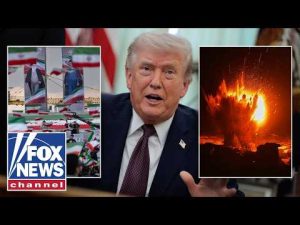
In a world where every tweet seems to trigger a global crisis, President Trump has upped the ante by announcing a blockade on the Strait of Hormuz, promising a no-nonsense approach to Iranian antics. Yes, the same Iran that seems to think it’s a better negotiator than your average used car salesperson. Trump has thrown down the gauntlet, essentially telling Iran it’s his way or the highway—or rather, the watery lane of Hormuz. And who better to add some international flair to this diplomatic spectacle than the Israeli Ambassador to the United Nations, Danny Danon?
Ambassador Danon spares no words in describing the Iranians at the negotiation table, likening them to illusionists or perhaps magicians who believe they can pull a fast one on the Trump administration. The Iranians, brimming with bravado like some sort of geopolitical peacocks, thought they could waltz into talks and woo with words. Alas, Trump remains unfooled. The ambassador suggests it’s high time for Iran to wake up and smell the American coffee.
Meanwhile, amid this high-stakes nautical showdown, expectations turn to the simmering situation between Israel and Lebanon. Like uninvited guests at a never-ending party, Hezbollah continues to crash the peace proceedings. Israel, with all the subtlety of a tank at a garden party, would prefer nothing more than a peaceful resolution, but it’s clear Hezbollah missed the memo on good neighbor policies. The idea is not new—let Lebanon regain its sovereignty, rid itself of meddlesome outsiders, and everyone goes home happy. But easier said than done when your neighbor insists on launching rockets into your backyard.
Adding spice to an already zesty international mix is Iran’s brazen influence in Lebanon. Onlookers might wonder why the Iranian ambassador in Beirut clings to his diplomatic post despite Lebanon’s hint that perhaps he should pack his bags. Yet, like a character out of a dramatic soap opera, he stubbornly remains, stirring the pot in a region already brimming with tension. It’s the sort of escapade that has the international community shaking their heads, wondering why Iran insists on dragging its friends down diplomatic rabbit holes.
The whole affair sees the United Nations and select European countries wagging fingers at Israel, bemoaning its right to defend itself. Apparently, taking a stand against rocket fire is the height of impudence. But Israel, much like a homeowner dealing with an unruly neighbor, refuses to sit idly by while the fireworks continue. Eyes turn nervously to Gaza, where Hamas has conveniently overlooked its disarmament deadline. The world waits with bated breath to see if the ink on peace proposals will dry or if it’ll be time for yet another Gaza showdown.
In the end, the scene plays out like a twisted reality show. Countries trot onto the stage, hoping for five minutes of fame, while the heavyweights—Israel and the U.S.—try to bring some semblance of order back to their corner of the world. It’s a reality show like no other, and one can only hope sanity makes a surprise guest appearance before the curtain falls.