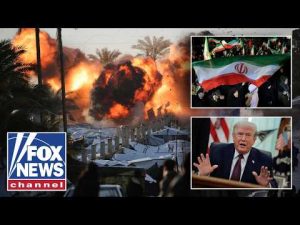
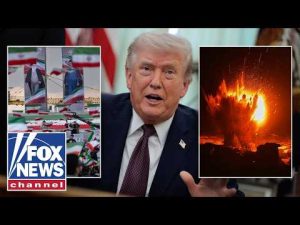
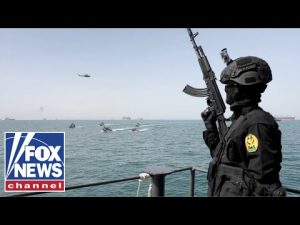
In a bold and perhaps overdue move, President Trump has decided to prevent Iran from exporting their oil, effectively choking off a significant source of revenue for the Iranian regime. This decision, supported by experienced diplomats like Dennis Ross, marks a clear and decisive shift in U.S. policy towards Iran. For years, the Iranians have played the leverage game well, benefiting from a global community more concerned with keeping oil prices low than with holding Iran accountable. But with this latest action, it’s clear that the days of Iran holding the trump card—pun intended—are over.
To understand the implications of this move, it’s important to look at the geopolitical chessboard. Iran’s strategy has long depended on its ability to manipulate global oil markets. By allowing oil exports while everyone else struggled, they’ve operated with a sense of impunity. Now that has changed. By restricting Iran’s oil export capabilities, the U.S. aims not only to deprive them of revenue but also to signal that their leverage is all but evaporated.
This crackdown on Iran’s oil exports is not just a two-player game between the U.S. and Iran. China, which relies heavily on Gulf oil, suddenly finds itself at an awkward crossroads. With 50% of its oil flowing through the Strait of Hormuz, China now faces an oil dilemma. They have two choices: either pressure Iran like they’ve never pressured before or face the grim prospect of oil scarcity. Thanks to Trump’s new policy, the ball is in China’s court, and their response may well shape the future of this international standoff.
While some might argue that President Trump’s approach is too aggressive, it is worth noting that appeasement hasn’t exactly worked wonders in the past. As Dennis Ross pointed out, each time Iran has crossed a threshold, the world has chosen to look the other way, allowing Iran to slowly ratchet up its capabilities. With Trump’s firm stance, something many previous administrations only dreamt of, Iran is being sent a message that they can no longer act without consequences. This foreign policy play might seem risky, but the real question is, how long could the world afford to tolerate Iran’s bad behavior?
The potential backlash from Iran is not to be underestimated. Analysts might argue that Tehran could lash out, targeting the oil facilities of Gulf States to pressure the U.S. into easing its grip. Such an unpredictable action is a real risk, but then again, with might making right in international affairs, there’s a certain satisfaction in putting those who threaten global stability on the defensive. As the world watches closely, it will be interesting to see if this move catalyzes a change in Iran’s calculus or if a new drama unfolds on the world stage. Either way, President Trump has set the wheels of change in motion, pulling the curtain on Iran’s economic theater.