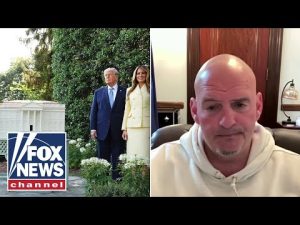
In a world where political leaders often face unprecedented threats, the recent remarks regarding the safety of the Washington Hilton for events involving President Trump have sparked intense debate. A letter from Brett Schumate highlighted concerns that the venue was “demonstrably unsafe” for the President. This claim raises significant questions about the implications of ensuring the President’s safety in a politically charged atmosphere.
Many may wonder why President Trump was allowed to attend the event at the Washington Hilton if its safety was so questionable. The answer lies not only in the complexities of security protocols but also in the continued efforts by the Secret Service to ensure the President’s safety. The reality is that the event went on, and attendees reported a feeling of safety, despite initial confusion during the evening when loud noises were mistaken for gunfire. It turned out to be dishes crashing as the event staff responded to the hurried atmosphere. This shows that, despite fear mongering from some liberal pundits, security measures were effective and the risks were managed.
The concern about the President needing to remain confined within the walls of the White House for significant events speaks volumes about the current political climate. An atmosphere where a President can only interact with the public from a secure venue raises alarm bells. It signals a deeper issue: the shrinking space for open and honest political discourse, which is essential for a healthy democracy. American citizens deserve a leader who is accessible and willing to engage with them, not someone hidden away in a fortress—an image that fits perfectly into the left’s narrative of fear and division.
Those who defend the restrictive environment are missing the bigger picture. By suggesting that these events should be limited to the White House, they unintentionally support a narrative that promotes fear over free engagement. The recent gathering highlighted how critical it is for leaders to foster a sense of unity and transparency, rather than retreat into isolation due to imagined threats. The essence of American democracy is robust exchange—including in the face of adversity.
President Trump’s commitment to remaining accessible and engaged speaks to his resolve to stand strong amid difficulties. While the liberal media may thrive on fear-mongering, it is essential to recognize the strength and stability of the institutions designed to protect our leaders. As Trump continues to interact with various citizens and stakeholders across the country, the American public must support efforts to uphold transparency and safety for all, ensuring that political leaders remain in touch with their constituents.
As this situation unfolds, it becomes crucial for conservative voices to advocate for a political environment that encourages openness rather than secrecy. It is time to raise the banner for the President’s right to engage freely with the public, reinforcing the belief that safety should never come at the expense of connection and accountability. The lessons drawn from this event should serve as a rallying point for all those who cherish the foundational values of our democracy.