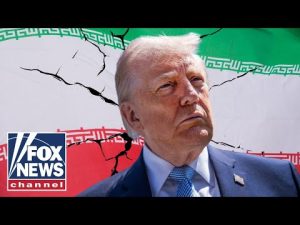
Amidst a geopolitical chess match that grows more intense by the day, the situation between the United States and Iran continues to develop with the finesse of a reality TV drama. The US Navy’s blockade of Iranian ports pressures the regime into a corner, forcing them to stash their oil instead of getting those sweet, sweet petro-dollars. The blockade’s effectiveness in stifling Iran’s oil production could potentially trigger a catastrophic collapse of an already teetering economy. It’s like watching a Jenga game where the losing player doesn’t just lose the game, but the entire table crumbles beneath them.
In Washington, the halls of power are abuzz with strategy sessions, and Central Command’s Admiral Brad Cooper is in the thick of it. He’s been penning war plans, ready to hand them over to President Trump for a decision on whether to abandon the ceasefire. The president, ever the dealmaker, suggests Iran is itching for a deal but lacks recognizable leaders to negotiate with. It’s a peculiar predicament, one might say, trying to settle a deal with a country where yesterday’s leader might be an afterthought by tomorrow.
From the sunny shores of Dubai, reporting suggests that the United Arab Emirates (UAE) is eager to flex its newly liberated oil prowess since stepping away from OPEC. Unshackled from the cartel’s constraints, the UAE is primed to pump oil at full throttle, using pipelines to bypass the clogged Strait of Hormuz. Meanwhile, Iran’s attempt to wait it out, hoping political pressure and high gas prices might sway US resolve, resembles a mouse hoping the cat will get bored before the hourglass runs out of sand. Spoiler alert: the US has barrels of patience.
As the blockade wreaks havoc on Iran’s people and economy, it’s creating echoes across the globe, with Americans feeling the pinch at the pump. Gas prices soar to a four-year high, adding economic strain to what could become the political nail-biter of the ages. While the blockade acts like a vise on Iran’s economy, US oil exports have exploded, shooting up to record-shattering levels of more than six million barrels a day. Talk about making lemonade from lemons—or black gold from an oil embargo.
Meanwhile, in a plot twist that reads like a chapter out of a Cold War spy novel, Russia appears to have backed Iran. Putin’s not-so-subtle intentions to undermine American efforts hint at an old rivalry receiving a fresh coat of paint. With the White House monitoring polls, gas prices, and the electoral calendar like a hawk eyeing a field mouse, it’s clear the president intends to keep all options on the table. Iran might hope the tide will turn, but as the economic vise tightens, it’s anyone’s guess whether they’ll hang on or fold faster than a dollar-store deck chair.