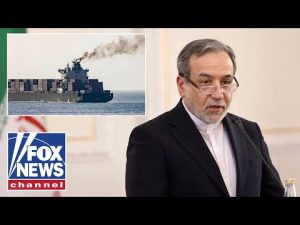
In a recent heated discussion, the truth about America’s military involvement abroad came to light, revealing the sharp divide in opinions on where our priorities should lie. At the heart of the conversation was the complicated situation with Iran, a nation that has continually threatened American citizens and interests. One commentator pointed out that many seem oblivious to the fact that we have been engaged in conflicts for years, and the narrative that America is the aggressor overlooks the real threats posed by countries like Iran.
Those defending military actions argue firmly that the goal is clear: to prevent terrorist regimes from obtaining nuclear weapons that could threaten the U.S. and its allies. This stance is rooted in a straightforward understanding of national security. Iran is not just a distant problem; it has funded terrorism globally and openly calls for death to America. Ignoring these facts is not just naive; it is dangerous.
Critics of military engagement often label it as “endless wars,” conveniently omitting who the real aggressor is. While it’s easy to condemn U.S. intervention, failing to recognize the threat posed by countries that actively support terrorism shows a lack of understanding about international relations. The reality is that when leaders of countries like Iran make belligerent statements and conduct hostile actions, they place themselves on a collision course with American interests. The narrative that America is the instigator tends to ignore historical context and downplay the aggressive actions of hostile nations.
This disconnection between reality and rhetoric points to a larger issue in the progressives’ approach to foreign policy. They often prioritize political correctness over actual security concerns, leading to misguided strategies that could ultimately harm American citizens. National security is not merely a talking point; it is a responsibility that must be handled with seriousness and resolve. Debates should not become mere exchanges of insults but should focus on the essential question: Is our military presence necessary to protect American lives?
Preserving peace and stability is not achieved through inaction. When we take a stand against countries that pose a threat, we affirm our commitment to defending not just America, but also our allies across the globe. It’s time for those in influential positions to drop the pretense and recognize that the responsibility of leadership is not just managing the present but protecting the future. Ensuring that militant regimes cannot threaten our safety is a job that demands clarity and determination. Only then can we truly call ourselves defenders of freedom and democracy.