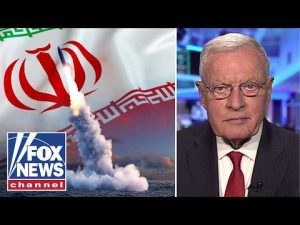
When it comes to international conflicts, there’s usually no shortage of opinions, and the situation in the Middle East is no exception. Retired Lieutenant General Keith Kellogg recently shared his thoughts on a popular conservative news channel, offering some bold ideas about the ongoing blockade and potential military actions. The general’s perspective is both insightful and unmistakably spirited, mixing a dose of military strategy with some classic no-nonsense advice.
First on Kellogg’s agenda is the efficiency of the current blockade. It seems like the blockade is working, but it’s a slow process, with potential reductions in future oil production looming over the horizon. Kellogg praises the president for being proactive—finally, an administration ready to tackle a problem rather than just admire it from afar. Kellogg suggests going a step further, with a plan he refers to as “blockade plus.” This plan suggests combining economic pressure with precise military action to tip the scales definitively.
Kellogg suggests targeting strategic locations like Car Island and the islands in the Strait of Hormuz. And no, he’s not talking about a scenic tourist visit; he means taking them. This would essentially make certain areas too costly for opponents to reclaim, allowing America to play oil baron for a change. By crippling these strategic points, the country can disrupt enemy control over resources, hitting them right in the pocketbook—a solid strategy if they’re to be believed.
The general also highlights the need to tackle the Iranian Revolutionary Guard Corps (IRGC). This group, which Kellogg describes as “thugs,” has been split into 31 districts to handle and suppress domestic issues. By disrupting this intricate “mosaic defense,” Kellogg believes their control over the population can be destabilized. It’s all about taking out the puppet masters so that the people can finally cut their strings. Kellogg advises against negotiations, insisting that applying maximum pressure will yield better results than talking things out with a government that can’t be trusted.
Finally, Kellogg touches on the idea of arming the Iranian people. He sees the potential for an uprising against the revolutionary government, drawing inspiration from historical conflicts. Of course, putting your faith in the idea that citizens will rise up might seem as risky as betting on a long shot at the races, but Kellogg trusts the tenacity of the people, given they see concrete support from the United States.
Overall, Kellogg presents a plan that’s as daring as it is intricate. It combines strategic military actions with support for the oppressed populace, aiming to create a domino effect that could lead to significant change. Whether you agree or disagree with such an aggressive stance, one thing is clear: Kellogg isn’t one to let sleeping dogs lie, especially when it involves shaking up the status quo.