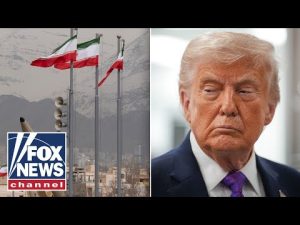
In what feels like a rerun of geopolitical drama from seasons past, the United States and Iran are once again toe-to-toe over the Strait of Hormuz. The U.S. recently conducted airstrikes against Iran, just a normal Monday it seems, in self-defense, targeting mine-laying vessels and missile positions. In response, Iran’s Supreme Leader, sporting his usual bravado, is demanding the U.S. military pack up its bases and skedaddle from the Gulf, claiming the clock will never turn back. Yet here we are, watching the same old clock tick on.
As if Iran needed another script note, they’re stirring up trouble in the Strait of Hormuz amidst crucial diplomatic negotiations with the U.S. This strategic chokepoint, crucial for the world’s oil shipping routes, has been Iran’s trump card—no pun intended—amidst its dwindling leverage following Operation Midnight Hammer that largely dismantled their nuclear ambitions. The scene plays out like a high-stakes poker game where Iran, despite having a terrible hand, insists on bluffing with whatever chips it has left.
In the background, President Trump has laid out the simple demand for Iran: hand over the enriched uranium or destroy it under watchful eyes. It sounds straightforward enough, but when has diplomacy ever been that easy? Meanwhile, Iran’s negotiators are busy in Doha, haggling over terms like it’s a yard sale. The U.S. stands firm that there will be no relief from sanctions unless Iran plays nice—not exactly the Obama-era “pallets of cash” approach, thank goodness.
Add to this, the dynamic duo of the Israeli-Iran proxy conflict. Israel is cranking up the pressure on Hezbollah, Iran’s favorite mischief-makers, with a promise to increase strikes. It’s a bit like a game of Whack-a-Mole, but with far more serious consequences. Talks are underway between Israel and Lebanon, seeking to swat away Hezbollah’s influence, which sounds about as easy as keeping squirrels out of a bird feeder.
As the drama unfolds, there’s a critical focus on ensuring no undeserved economic windfalls make it to Iran, aimed directly at preventing any rejuvenation of its military programs. The Qataris are the unexpected impresarios here, likely feeling the heat while managing funds tied up in the negotiations. It’s a delicate waltz—ensuring Iran isn’t getting free money while trying to encourage them to abandon plans that would make Bond villains blush.
In this real-world episode, the stakes are as high as ever. This isn’t just about nuclear dust and unobstructed oil shipping; it’s about strategic stability in a region that perpetually teeters on the edge. As negotiations continue and threats volley back and forth, everyone involved seems to have forgotten one important tactical advantage: good old-fashioned common sense. While the world watches with bated breath, let’s hope cooler heads prevail before yet another familiar scene explodes onto the global stage.