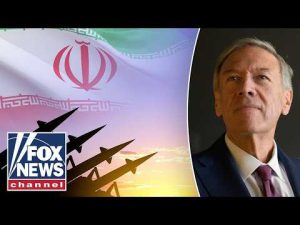
In today’s political climate, it’s as if the world has become a stage for an intense geopolitical drama, with the usual suspects returning for yet another performance. At the center of this spectacle is the ever-controversial Iran, a nation known for its nuclear ambitions and persistent saber-rattling. Former Secretary of State Mike Pompeo recently weighed in on the situation, and his seasoned insight sheds light on what might be at stake.
Under former President Trump’s administration, significant steps were taken to curb Iran’s nuclear capabilities and weaken its economy. The reduction of uranium enrichment and the crippling sanctions put a brake on their nefarious plans, leaving Iran clutching at straws. It’s no secret that Iran has long been a thorn in the side of both the United States and its ally, Israel. Pompeo pointedly reminds us that despite any pieces of paper they might sign, history has shown Iran’s propensity to resume its problematic activities once given the opening.
What’s particularly intriguing, if not entirely surprising, is the role of China in this multifaceted geopolitical game. Pompeo suggests that China might be offering Iran some level of reassurance, perhaps whispering sweet nothings about helping them circumvent international restrictions to sell their oil. China’s alleged maneuverings provide Iran with a glimmer of confidence as they try and keep up appearances on the world stage. One would think that running a global superpower would be enough drama for China without inserting itself into another’s affairs, but apparently not.
Beyond China, there is the whispered involvement of Russia. The narrative becomes increasingly murky when considering Russia’s historical connections and vested interests in the region. Pompeo theorizes of a global chess game where alliances are complicated, and moves are calculated for maximum political gain. It’s a delicate dance of diplomacy and dominance, with each player intent on tilting the balance of power in their favor. In this context, one’s imagination doesn’t have to stretch far to see the potential for significant shifts in global influence.
The real concern here, as indicated by Pompeo, is the perception of victory or failure. If the Iranians manage to weather this storm and cling to their ambitions despite the intense pressure, they might relish in a perceived triumph. On the other hand, a perceived failure by the United States to decisively deal with Iran could embolden its adversaries. At the end of this diplomatic tunnel, the hope is that cooler heads will prevail, and genuine security, rather than political grandstanding, will shape the next chapter of this ongoing saga. One thing is sure: geopolitical posturing remains a captivating, albeit risky, global theater event.