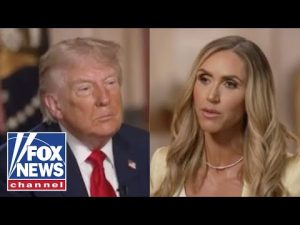
As with any conversation that approaches the subject of Iran, there is a lot to unpack, and perhaps even more to decipher. In the latest discussion, the president makes an ambitious pitch: he wants a good deal with Iran or no deal at all. For those who may believe promises of international diplomacy are as reliable as bargain-store gadgets, this proclamation might seem a bit optimistic. However, the president suggests that if negotiations do not yield the desired results, alternatives are already waiting in the wings. It seems that preparation, as always, includes a swift drive towards military options. This isn’t just about flexing muscles but also apparently about preserving lives, both American and, remarkably, on the other side too.
One might raise an eyebrow at such altruistic claims considering the context, especially when pictures of defeated navies are implied like postcards from a particularly aggressive vacation. Iran’s entire maritime and aerial strength is claimed to have taken a significant downturn, thanks in part to some well-placed bombs approximately nine months ago. This pulls the curtain back a little on the risky chess game being played with a region already prone to topple. The stakes? Well, among them, the absolute prevention of a nuclear Iran which is brought up as the ultimate goal, and not without reason, if one considers global safety a priority.
The president believes he holds all the cards, having neutralized significant threats and maintained strategic control. He envisions a scenario where the United States’ aggressive posturing has turned enemy forces into hollow shells. However, anyone who has played a game of Monopoly knows that celebrating too soon often leads to a costly defeat. There’s a hint here that both determination and a dash of overconfidence are driving these negotiations, with an acknowledgment of how media perception plays a peculiar role in the conflict resolution process. Are the military victories really yielding fruitful outcomes, or is the narrative being tailored for the media’s alleged left-leaning tendencies to chew over?
This considered posturing at the international table contrasts sharply with domestic challenges highlighted by president’s criticisms of the opposition party. Descriptors like “Democrats” are sprinkled liberally, apparently a newly coined term that leverages creative expression to lambast their policies. From opening borders like they’re welcoming guests at a never-ending party to insisting on debating hot-button issues like taxes and historical social policies, the rhetoric is as charged as a political battery the morning after election night. The point being driven home is that the party in blue is akin to a reckless driver barrelling down the highway of policy-making, whereas the red party sees itself as the protector, safeguarding ideals and rights steadfastly.
The assertion is made that on domestic soil, things look even rosier with impressive economic performance decks full of aces up their sleeves. With America boasting significant oil wealth and employment numbers breaking records, the administration paints a picture of prosperity and triumph, rightfully earned by sticking to guns proverbial and otherwise. Yet, even those seemingly shining statistics sit amidst a political landscape that feels more divisive than ever.
As these narratives unfold, it becomes evident that the art of political discourse remains as complex and colorful as ever. The right kind of deal with Iran seems elusive, perhaps just out of reach, like a prized baseball caught in a late-day glare, while domestic politics remains a cauldron of heated, contentious debates without straightforward solutions anywhere on the horizon. Watching these discussions play out leaves one wondering what the next big presidential move will be, especially with more elections looming on the horizon like towering mountains waiting to be climbed.