In a world where the digital and the real intertwine, there’s a spicy story brewing involving a well-known Twitch streamer and a trip to Cuba that has sparked controversy and curiosity. Hasan Piker, known for his leftist views and vehement online presence, is now under the watchful eye of the U.S. Treasury Department’s Office of Foreign Assets Control. The streamer claims that his March trip to the socialist island was a humanitarian mission aimed at delivering much-needed supplies. However, this claim is now facing scrutiny, as federal investigators puzzle over whether he violated U.S. sanctions.
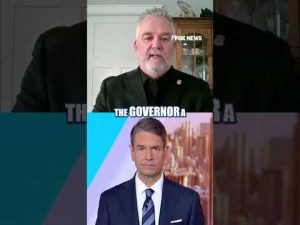
At the center of the discussion is Republican Congressman Randy Fine from Florida, who isn’t holding back his opinions. He strongly believes this trip wasn’t just a casual act of kindness but rather a more significant issue tied to foreign influence in America. According to him, it seems that Piker’s adventure was funded by Chinese interests, raising eyebrows and alarms about international meddling in domestic affairs. After all, what could be a better tactic for undermining a superpower than to foster division from within? Congressman Fine expresses gratitude for the Justice Department’s investigation, suggesting that someone like Piker might deserve more than a stern talking-to.
The congressman goes on to emphasize the need for greater transparency regarding foreign influences on American social media and public opinion. It’s easy to be swayed by a sea of enthusiastic protestors or charismatic influencers, but what if they’re not just passionate citizens but paid participants? Fine argues that understanding who’s backing these movements and personalities changes everything. A protest that might seem organic and grassroots could actually be a coordinated effort fueled by cash from abroad, which should make everyone reconsider their viewpoints.
The congressman also points out the complicity of media outlets. He suggests that many in the media might know about the financial support behind protests but don’t care to disclose it because it fits a broader narrative. Perhaps it’s easier for some reporters to present a story of impassioned citizen activism rather than admit that behind the scenes, money may be dictating the dialogue. If they cover these events without due diligence, they are not merely reporting but perpetuating a storyline that can mislead the public.
As this saga unfolds, the implications are significant. The Piker situation serves as a cautionary tale about who is really influencing American thought and how deep foreign interests seep into U.S. politics. Congressman Fine is adamant that American politics should solely involve Americans. He’s on a mission to expose foreign activities masquerading as grassroots movements, believing that the future of political discourse relies on transparency. His attempts to shine a light on this situation could lead to broader discussions surrounding online influencers, media narratives, and the consequences of foreign funds infiltrating American soil.
And so, as the investigation continues and Hasan Piker navigates the storm brewing over his humanitarian claims, one thing is certain: in today’s intricately connected world, every tweet, stream, or video could hold more weight than it appears. It’s a reminder for every citizen to be vigilant about who they listen to and what interests may be at play behind their favorite online personas.