In a world where opinions fly faster than a speeding bullet, few topics ignite passions quite like those surrounding self-defense and gun rights. Recently, Kyle Rittenhouse, who has become a polarizing figure since his trial, weighed in on an unfolding situation that he believes reflects a broader social issue. As the Director of Partnerships for Texas Gun Rights, Rittenhouse is passionate about defending the Second Amendment and fighting back against what he sees as an attempt to sow discord in society. Sitting down for a conversation, he made it clear: this is not just about one individual; it’s about a movement pushing back against a tide of chaos.
Rittenhouse, who famously found himself in the spotlight after the events in Kenosha, Wisconsin, described how the situation surrounding a recent case has stirred up old fears and grievances. He pointed out that the outrage directed at him following his trial for defending himself against aggressive attackers showcased a double standard in how political narratives are shaped. It seems, according to Rittenhouse, that if someone fits a certain mold, the rules of self-defense can be conveniently overlooked. A teenager defending himself against would-be assailants became a charged narrative of guilt, while other individuals receive protection instead.
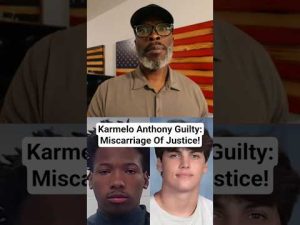
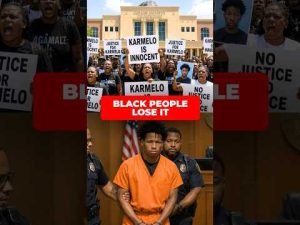
The conversation soon took a turn toward the rampant political division in the current climate, as the negative impact of mob mentality reared its ugly head. Rittenhouse noted that the same folks who cried for justice for figures like Carmelo Anthony during a recent case failed to recognize his own fight for survival. Interestingly, he argued that these individuals are often blinded by loyalty to their party, turning a blind eye to facts simply because they feel a need to conform. It’s a dangerous precedent when reason takes a back seat to party loyalty, and Rittenhouse’s experiences point directly to that troubling trend.
In his experience, Rittenhouse mentioned encounters where dialogue did have the potential to change minds. He related a recent event where counter-protesters who initially stood against him left with a newfound perspective after he shared some evidence and facts. It underscores an important truth: many who protest may not fully understand what they are opposing. It raises the question of how deeply ingrained narratives are shaping perceptions without room for debate or understanding.
However, the darker side of this phenomenon cannot be ignored. Rittenhouse highlighted that there are many who resort to threats rather than rational conversation. The fear of violence looms large over those who dare to take a stand and defend their views, especially when those views differ from the mainstream narrative. Whether in the heat of a protest or a heated debate, the aftermath can sometimes be more chaotic than constructive, leading to a cycle where fear becomes the currency of the day.
With election cycles approaching and tensions rising, the fight for truth and understanding continues. Rittenhouse’s perspective is one of vigilance, emphasizing the need for conversations that can heal rather than divide. It’s a clarion call for those on all sides to step back, reassess what’s truly at stake, and prioritize the ideals laid out in the founding documents. After all, when chaos reigns, it is the steady voice of reason that can help steer society back toward the principles of freedom and unity that many hold dear.