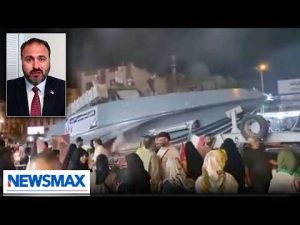
The never-ending saga of tensions in the Middle East continues, with the latest chapter unfolding between Israel and Hezbollah. Israel retaliated with strikes in Beirut after drone attacks launched from Lebanon threatened their territory. Iran, unsurprisingly, is gearing up for a response, promising these actions won’t go unchecked. The drama intensifies as this latest tit-for-tat coincides with diplomatic negotiations that were, ironically, going swimmingly before all chaos broke loose. Some might even dare to say it’s as if someone flicked a switch labeled “disaster” the moment peace was within reach.
Amidst this storm, we have Iran and the Israelis at odds over who’s the bigger threat. On one side, Israel argues that defending its citizens against rocket attacks from the north is non-negotiable. On the other, Iran is accusing Israel of spoiling potential peace deals. It’s almost as if these two have forgotten their roles in this long-standing soap opera. Of course, when missiles are being exchanged like party favors, it’s hard to keep straight who offended whom first.
Adding a delightful twist, the Prime Minister of Pakistan optimistically declares that a peace deal is closer than ever. This announcement is not only surprising but almost comedic, considering the symphony of destruction currently playing out in the region. A Qatari negotiating team has landed in Tehran, cheerfully pushing to finalize the agreement. Meanwhile, President Trump remains steadfast, reminding everyone his deal will prevent Iran from ever obtaining nuclear weapons. It’s a comforting thought amidst drone attacks and diplomatic gamesmanship.
As if the plot needed thickening, Iran’s antics in the Strait of Hormuz are heating things up. The U.S. military has managed to down several attack drones targeting commercial ships, keeping the flow of maritime traffic uninterrupted. This juggling act of warfare and diplomacy is nothing short of impressive, though one could argue Iran’s persistence is a baffling approach if peace is genuinely on their agenda.
From a broader perspective, the innocent Lebanese are left trying to make sense of it all. Thousands are displaced, their lives disrupted by the ongoing power struggle. While diplomatic wrangling takes center stage, civilians bear the brunt of the chaos. It’s a mixture of people—Sunni, Shia, and Christians—all hoping for a slice of normalcy amidst the turmoil. As Israel and Iran spar over geopolitical influence, it’s often forgotten that behind these headlines, everyday people are enduring unimaginable hardships.
So, there you have it: a classic case of geopolitical gymnastics where the stakes are high, and the players are many. As this region continues to be a pressure cooker of complex international relations, the hope is that reason prevails over retaliation. Whether this peace deal will ever see the light of day is anybody’s guess, but one thing is certain—this unfolding drama is far from mastering the art of subtlety.