As President Trump lands in Paris, the air seems as if it’s filled with history and not just a whiff of soufflé. Following the G7 summit, Trump heads to France’s capital to commemorate the 250th anniversary of the Treaty of Paris, marking the end of the Revolutionary War. It’s a momentous occasion celebrated at the world’s largest royal palace—Versailles—because casual dinner venues simply won’t do when history and debate are on the menu. It seems crown moulding and chandeliers set a proper stage for discussing America’s destiny.
The president appears upbeat, ready to rub shoulders with Europe’s crème de la crème at Versailles, and with high hopes that the evening will be beneficial. It’s a testament to the art of the deal—for Trump, every gathering might as well be a business meeting. And true to form, there’s a treaty to be signed. Why not conclude international accords over dinner? Tables aren’t just for sharing bread; they’re also for signing significant agreements while swapping a few “merci” here and “daddy” there.
Fast forward to the scene stealing moment: the EU trade deal. Trump’s European allies seem to have fancied the artful high-stakes game of tariffs. By raising import duties and standing firm, the boss, as he affably gets called, soon found European leaders eager to drop a heap of tariffs to zero. Everyone loves free trade—especially when it brings smiles and savings. Tariffs fell faster than an overpriced soufflé in a warm Parisian kitchen.
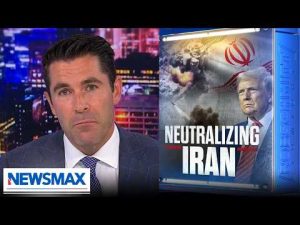
And then came the pièce de résistance—the Iran deal, signed with just a touch of dinner diplomacy. It’s reported that the mullahs actually agreed to dismantle their nuclear stockpile. Poof, Iran’s nuclear ambitions are on the chopping block. With Space Force vigilance at the ready, no Mohammed-Something can even sneak a peek at the nuclear sites without someone noticing. It seems that Trump’s strategy of busting up the former arrangement and applying maximum pressure is the real-life masterstroke that previous leaders only dreamed of achieving.
The Strait of Hormuz, ever the center of world oil intrigue, is now set to be a lane of peace. No more tit-for-tat fireworks while ships try to pass. Iran promises to stop whatever shenanigans they had in mind, so the oil can flow, gas prices can drop, and Beijing has to pay its share. Meanwhile, a hefty $300 billion fund, mainly from Gulf neighbors, is poised to help rebuild Iran at, remarkably, no cost to American taxpayers. This isn’t just the art of the deal; it’s the art of passing the buck, quite literally, to the benefit of everyone else involved.
It’s not all sunshine and rainbows. The deal is like a performance test—fail and the old sanctions swiftly return. Not everyone is thrilled, though it’s a rare day in politics where a plan appeases every senator and Twitter aficionado. However, even amid skepticism, there’s an understanding that this agreement is a fresh start. Could peace in the Middle East really be within reach? If so, Trump might just have secured his legacy as the ultimate dealmaker ready to claim credit if things sail smoothly, all the while warming up the blame cannon just in case the script flips. Not bad for a day’s work, Monsieur Président.