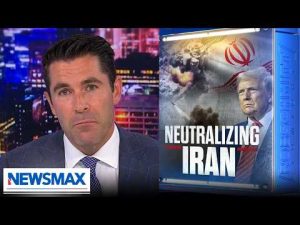
In a recent turn of international events, a new deal between the United States and Iran has sparked a whirlwind of criticism, with many calling it the biggest foreign policy disaster of the last two decades. Voices from the conservative camp are particularly vocal, expressing disbelief at the terms that seem to favor Iran over the United States. It has left many wondering if this new agreement could pave the way for intensified tensions rather than lasting peace.
The deal has earned the scorn of several prominent conservatives, including Bill Cassidy, a Republican senator who recently faced backlash after being unceremoniously bounced from his position by an endorsement of his primary opponent. Cassidy expressed his dismay, implying that the long-standing issue of Iran’s nuclear ambitions remains unaddressed. He likened the current diplomatic efforts to “cosplaying,” suggesting that those involved in negotiating the deal lack genuine diplomatic skills. The frustration is palpable as conservatives feel that the groundwork laid before them does not adequately ensure the safety and security of the United States or its allies.
One major point of contention is the memorandum associated with the deal, which many critics argue neglects to mention Iran’s financial support for terrorism. Iran’s funding of groups like Hezbollah, Hamas, and the Houthis has raised eyebrows, leaving many to wonder if the deal allows the regime to continue its funding of these organizations. Critics are questioning whether any significant change will materialize from the agreement or if it simply frees Iran from the economic pressures they have been facing, allowing them to resume business as usual. That could mean billions of dollars in oil revenue flowing into Iran’s coffers without requiring them to prove any commitment to peace.
As discussions unfold, the potential for Iran to generate an astonishing $500 million a day in oil revenue by next week looms large. Critics are left scratching their heads, worried about the implications this has for global security and the very real possibility of funding terrorism. It’s hard to ignore the irony that just when it seemed like a more cautious approach might prevail, the U.S. seems to have handed Iran a financial lifeline without securing any guarantees in return.
While some media outlets present a united front with consistent narratives, many conservatives feel that they are reporting the true, unvarnished facts of the situation. There is an obvious desire among some commentators to stand apart from the mainstream media’s portrayal of these negotiations and to emphasize the potential pitfalls of the current agreement. The sentiment among critics is clear: cautious skepticism prevails as they prepare for the ramifications of what some are dubbing the worst foreign policy blunder in decades.
As this situation continues to develop, it will be interesting to see how the administration and Congress address the myriad concerns surrounding this deal. The unconventional dynamics and heated debates will certainly capture the attention of those following the news closely, leaving everyone to wonder just how these diplomatic maneuvers will play out on the global stage. One thing is for certain: with stakes so high and emotions running fierce, the conversation around U.S.-Iran relations is far from over.