**Inflation Heats Up: What You Need to Know About Rising Prices**
In a world where the prices of everyday goods and services seem to be climbing higher than a kite on a windy day, the most recent inflation report has everyone buzzing with concern. Released on a Thursday that many would prefer to forget, data from the core consumption expenditures revealed that inflation has reached its highest annual rate since October 2023. The numbers tell a telling tale: actual inflation rose to 3.4%, up from 3.3% in April. Additionally, personal consumption expenditures for May stood at a worrisome 4.1%. Meanwhile, the Federal Reserve has its golden goal set at a modest 2% inflation rate. Whether we’re heading towards a financial storm or simply a light drizzle is yet to be seen.
While most folks are familiar with the Consumer Price Index (CPI), the Federal Reserve tends to prefer the Personal Consumption Expenditure (PCE) index, which offers a clearer picture of how Americans truly spend their hard-earned cash. This index helps the Central Bank understand shifts in consumer behavior over time, which is crucial for making informed policy decisions. With the latest PCE data indicating a rise in inflation, it seems the Fed is starting to feel the heat and is pondering whether to boost interest rates.
Given the current trend of inflation, officials at the Federal Reserve are hinting that an interest rate increase could be on the horizon. During the recent meeting of the Federal Open Market Committee, the potential for a rate hike was discussed as a viable option if inflation continues to hover stubbornly above the desired 2% mark. Unfortunately, it seems like inflation’s journey back to normal will not be a quick one, causing officials to brace for a lengthy process ahead.
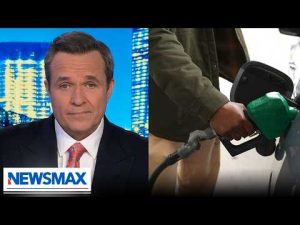
The reason for this inflationary pressure can be traced back to several factors, including the surging costs of oil and gas, primarily due to the ongoing strife in Iran. When oil prices shoot up, it’s like unleashing a chain reaction that sends consumer prices soaring. The recent spike in the Consumer Price Index has been eye-opening, hitting a three-year high in May according to the Bureau of Labor Statistics. For many families, the cost of filling up their gas tanks is just the tip of the iceberg.
As the Fed grapples with these fluctuating statistics, the ramifications of raising interest rates could lead to increased borrowing costs. This would ultimately slow down consumer spending, which is a fundamental driver of our economy. It’s a delicate balancing act: keep rates low to encourage spending or raise them to curb inflation. The decision makers at the Federal Reserve have a lot on their plate, and as they weigh their options, Americans brace themselves for what lies ahead. Regardless of what happens next, it’s clear that everyone should keep a close eye on their wallets!