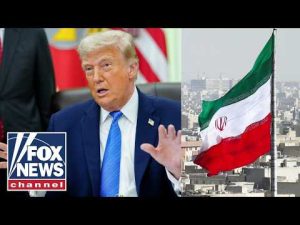
In the ongoing political drama of the U.S.-Iran relationship, tensions have soared yet again, leaving Americans—and likely folks around the globe—on the edge of their seats. Just when you thought an agreement might keep things peaceful, the situation near the Strait of Hormuz escalates into a tit-for-tat military exchange. Retaliatory U.S. airstrikes have targeted Iranian military installations after Iran allegedly shot at a Panama-flagged ship. As cool as a cucumber—or perhaps lukewarm—President Trump emphasizes that if Iran keeps this up, they might end up regretting ever starting a squabble with Uncle Sam.
U.S. officials are clear: Iran had an opportunity to keep the peace, but shrugged it off, hitting another ship, and setting off a chain of recent events that looks suspiciously like a bad action movie script. These strikes, larger than the last batch, took a bite out of Iran’s military infrastructure. This sounds impressive, doesn’t it? Iran responded with missiles and drones aimed at U.S. military sites in Kuwait and Bahrain, upping the international tension to a new level. Just what the region needed—a bit more instability, because who doesn’t love a geopolitical cliffhanger?
As usual, the stakes here aren’t just military but also political. Bless the political strategists trying to keep things calm before the midterm elections roll in like a storm on the horizon. With gas prices a constant thorn in the side of frustrated Americans, the last thing anyone wants is another spike right before heading to the polls. The American public, worn out from years of foreign entanglements, apparently prefers a peace deal by a margin high enough to make any politician start sweating through their tailored suits.
Meanwhile, in Israel, they’re keeping their ears to the ground—or in this case, the airwaves. Not too thrilled with all this back-and-forth, there’s a sentiment that perhaps decisive action is the way to go. No beating around the bush with diplomacy, they seem to whisper. After all, when threats are flying, it isn’t New York or Los Angeles in the direct line of fire, it’s cities like Jerusalem and Tel Aviv. It’s the kind of local enthusiasm that might make someone question if diplomacy is truly dead or just in dire need of revamping.
What do the American people really want? A peaceful resolution or decisive military action? There’s no easy answer. The charm of a rhetorical flourish or a well-timed threat seems less alluring when it hits the wallet. For now, it’s a waiting game, between trying to avoid more conflict while also appearing strong on the world stage—because in the world of international politics, once you start something, not finishing is not an option, at least according to the armchair generals and pundits crowding the airwaves. Here’s hoping cooler heads prevail before the script flips yet again.