In the ever-unpredictable realm of international diplomacy, the United States and Iran find themselves in a nail-biting contest of strategy and endurance. A temporary ceasefire hangs in the balance as both sides work towards a more permanent solution—a scenario where Iran might decide it’s in their best interest to give up nuclear ambitions in exchange for the tantalizing prize of long-term sanction relief. Meanwhile, reports have surfaced of continued activity at Iran’s mysterious underground nuclear site, Pickaxe Mountain, sparking an age-old question: Is Iran merely stalling as it strings along the negotiations, hoping the U.S. might tire and make concessions?
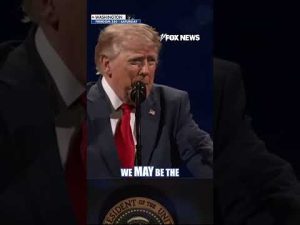
History supports this suspicion, with Iran notoriously dragging out past negotiations for too long under previous administrations. But now, with a fresh set of eyes under the current diplomatic efforts, the Trump administration is determined to see through the smokescreens. So, what’s at stake here? The aims are clear, focusing on dismantling Iran’s nuclear pursuits, restricting their ballistic missile arsenal, and curbing support for proxy groups in the region. This trifecta of goals provides the U.S. with considerable bargaining chips, namely economic levers and the threat of military consequences.
Now, Iran, ever calculating, sees its own form of leverage through the Strait of Hormuz—an economic lifeline for the region. In the grand diplomatic chess game, Tehran’s ability to control or threaten this vital waterway is its trump card, akin to holding a nuclear weapon without actually possessing one. The New York Times once said shutting down these straits brings geopolitical sway, a piece Iran plays with gusto. Despite all this, seasoned negotiators must remain vigilant, for in this high-stakes game of tug-of-war, the line moves ever so slightly with each passing day, especially as deadlines loom ominously on the horizon.
As the rhetoric heats up, it’s important to note how the ground truth echoes in whispers across America’s military and diplomatic fronts. Any aggressive move by Iran—whether it’s an audacious blockade in the Strait of Hormuz or brazen attacks on allies—could trigger a marked response from the United States. Talk of naval blockades and limited strikes isn’t off the table, suggesting an understanding that while diplomacy is preferred, there is a point of no return. It’s the classic story of the unstoppable force meeting an immovable object, with the lives of countless service members on both sides draped into the folds of this unfolding drama.
Yet, amid all the posturing and brinkmanship, one must ask if these extended negotiation periods aren’t sometimes met with a healthy dose of predictable unpredictability. After all, Iran’s recent show of mass mourning for their Supreme Leader has only further fueled both nationalistic fervor and geopolitical theatrics. The spectacle of organized public displays and chants of defiance can’t help but feel like a scene straight out of an overplayed screenplay—while hoping perhaps, against hope, for yet another plot twist that could lead to a peaceful resolution. For now, observers must buckle in for what promises to be a long and winding road as history plays before their eyes once more. Will diplomatic prowess win the day, or will it take another turn into the unknown? Only time will tell, and perhaps more tantalizingly, who will blink first.