In the realm of geopolitics, Alaska might be known for its stunning icy landscapes, but it’s also gaining a reputation for hosting heated dialogues. Recently, the frosty Anchorage backdrop served as the stage for a diplomatic meeting, where high-ranking officials showcased extraordinary diplomatic flexibility. It almost sounds like a circus act—but instead of juggling, they’re maneuvering through complex international relations. And, believe it or not, someone thought it was a grand idea to propose that perhaps this ongoing conflict, hinting subtly at Russia-Ukraine tensions, should just be put on ice. Clever, right?
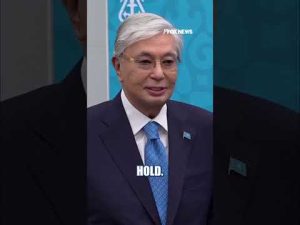
Suggestions were floated, with all the elegance of a balloon struggling against gravity, about freezing the conflict and returning to an old formula, the “stumble formula 2.0,” whatever that means. And sure, let’s bring in some familiar faces, including Russia, to ensure the peace they’ve been helping to undermine. Nothing screams trust like involving the very entity that’s part of the problem as a guarantor of the solution. And Kazakhstan chimed in, not wanting to be the mediator. Apparently, Russia doesn’t need one. They’re confident they can sort out the mess themselves. Because, clearly, they’ve done an admirable job thus far.
Kids, remember when you’re arguing about whose turn it is to take out the trash, just step back and let the trash cans sort it out. It’s the grown-up way! The proposal, though, isn’t entirely without merit. Freezing the conflict is indeed a tested method in international practice—it’s the diplomatic equivalent of sweeping dirt under the rug and hoping nobody notices. Meanwhile, amid all this diplomatic tap dancing, lives are at stake. Things get dire as the conversation turns to the tragic cost of this indecision, highlighting the most heartbreaking aspect of any conflict—families suffering and youths losing their futures.
But let’s not forget whom this unfortunate scenario ultimately benefits: the opponents of both Russia and Ukraine. It’s almost like a grim variety show for these adversaries, where every moment of unresolved tension is just another act in the performance. Perhaps they cheer from their sidelines, popcorn in hand, as they witness two nations entangled in a conflict that others can use to advance their interests. What a tragic comedy of geopolitical errors.
In the end, as one speaker promised to reveal more about “the Ukrainian direction” in upcoming discussions, one can’t help but wonder if these talks will bring any substantial change. Will they figure out how to navigate this quagmire, or will it just be another round of diplomatic charades, destined to repeat like an endless political rerun? Stay tuned—because just like in all good series, there’s always a ‘next time.’