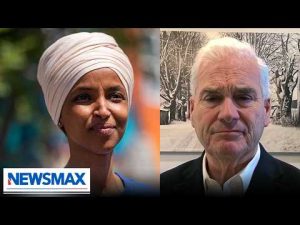
In a curious twist of events, the political landscape of Michigan is heating up as the Democratic Party has nominated a new candidate, Abdul El-Sayed, who is stirring quite a debate. The current vice president’s cautionary statement about a potential future with President El-Sayed on top of the Democratic ticket has raised eyebrows and ignited discussions about the possibilities for the 2028 election. With some supporters proclaiming that they want to preserve the current administration’s accomplishments, the spotlight is now aimed at a man who not long ago was relatively unknown in national politics.
The former mayor of South Bend, Indiana, Pete Buttigieg, commonly known as Mayor Pete, seems to be undeniably maneuvering into a strategic position. He has set his sights on Michigan, a crucial battleground state that could make or break many political careers. However, amidst the excitement and the campaign fervor, viewers are left to ponder the implications of a prominent candidate like El-Sayed, whose cultural background presents significant contrasts to Buttigieg’s narrative. While Mayor Pete has become a household name with his openness about his own marriage and family, it appears he now faces competition from an individual who openly hails from a religious tradition that strays far away from the ideals of same-sex marriage.
El-Sayed’s candidacy has stirred a mix of reactions, especially when contrasted with Mayor Pete’s well-timed relocation to Michigan. Critics have raised eyebrows over Mayor Pete’s love for the state, believing it is merely a calculated tactic to lift his political career. With his husband Chasten by his side, Buttigieg’s social media posts and strategic moves give the impression that he is all about inclusivity and progressiveness—a strategy that now faces the formidable reality of his opponent’s values.
Critics assert that El-Sayed’s campaign message resonates with a segment of the Democratic Party, even as they grapple with the implications of backing a candidate whose beliefs may not align with progressive ideals. His remarks during public appearances have raised concern, with some interpreting them as expressions of a more aggressive political agenda. Detractors worriedly discuss claims about a supposed shift in American values, highlighting the importance of maintaining an openly-discussed dialogue regarding candidates’ beliefs and intentions. The stakes are getting higher, and the spotlight is getting brighter with each passing day leading up to the election.
Amidst the chatter, folks online are bringing up the ironies of campaign strategies, especially referencing comments made about an imagined scenario where politicians may have to defend an ideology that starkly contrasts with their own just to secure votes. It paints an amusing picture of a democratic process facing the reality of its candidates, which could make any seasoned political observer chuckle. This discourse serves as a reminder that politics often comes with unsettling complexities, especially when identity politics and ideological standards enter the fray.
As the campaigning heats up, the drama is sure to unfold with force. Voters are encouraged to dig deeper into what candidates truly represent. The political theater is rife with excitement, and whether it’s through social media posts, public speeches, or short quips, one thing is clear: citizens will soon find themselves inundated with messages as candidates push forward to vie for their attention and, ultimately, their votes. And with a man named Abdul El-Sayed slated to be a significant player, this race is shaping up to be anything but ordinary.