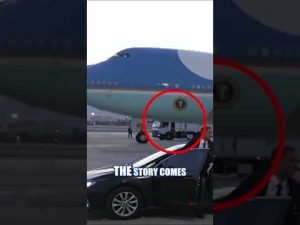
In another twist of international intrigue, the world witnessed another chapter in the ongoing saga between the United States and Iran. According to reports, President Trump’s life faced a potential threat during his visit to the NATO summit in Turkey last month. Apparently, Israeli intelligence, always keen on showcasing its penchant for espionage, tipped off the Trump administration about a plan involving shoulder-to-air missiles aimed at Air Force One. Thanks to some quick thinking and a bit of creativity, the President was discreetly shifted to another plane via a catering truck. One has to wonder about the logistics behind that—perhaps the Secret Service has a future in event planning if politics ever sours.
On the high seas, President Trump declared the U.S. has “total control” over the Strait of Hormuz. One can almost picture him standing at a faux aircraft carrier, gesturing heroically, as he proclaims victory. With Iran posturing as though it still holds the reins, it’s anyone’s guess which narrative holds the most water. As diplomatic talks inch forward like molasses in December, President Trump remains steadfast in his skepticism of the Iranian regime, remarking on its record of dishonesty. In fairness, history hasn’t painted Iran as the poster child of cooperative diplomacy.
During this fraught time, the region saw yet another dramatic moment when U.S. forces disabled a Panama-flagged vessel in the Gulf of Oman, which appeared to ignore warnings set against the backdrop of a naval blockade. The U.S. military, not known for subtlety, reportedly used an MH60 Navy helicopter to fire Hellfire missiles straight into the ship’s engine room. While it wasn’t quite an episode out of an action film, it certainly would have made for glamorous television.
Meanwhile, Iran continues to strut on the world stage with defiant rhetoric, threatening to rekindle combat operations should the U.S. not bend to its demands. The head of Iran’s Supreme National Security Council has boldly stated that the Strait of Hormuz would remain closed until the U.S. meets all of Iran’s conditions. This includes unfreezing Iranian assets, providing compensation, and curtailing military actions. In other words, Iran presented a wish list longer and less likely to be fulfilled than a child’s letter to Santa.
As geopolitical tensions simmer and threats loom large, Israel finds itself once again in a state of cautious anticipation. Officials there are reportedly preparing for a range of potential scenarios, likely ensuring every option is weighed—an exercise in strategic patience, if you will. So, as grand declarations and strategic maneuvers unfold, it seems one can rely on the pages of this ongoing tale to become more filled with drama. Viewers and readers alike are left, popcorn in hand, waiting to see how the next scene between the United States and Iran will play out.