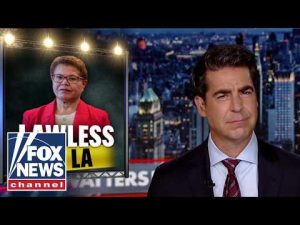
In the wild world of California politics, nothing seems too outlandish these days. Democrats have taken philanthropy to a whole new level by passing a law that allows candidates to use tax dollars to match campaign donations. In other words, if a Republican finds themselves bankrolling a candidate, their hard-earned money could be co-opted for Democrat campaigns. It’s like a game where they utilize creative math to transform a $5 donation into $35 in support of their favorites. Now, who wouldn’t want to support the very policies they’ve been tirelessly opposing for years?
But wait, there’s more! Just when you think you’ve heard every twist in bureaucratic creativity, a proposal surfaces that calls for “hygienic sexual relief clinics” for the homeless. These ostensible ‘love shacks’ aim to offer the same comforts and privacy enjoyed by others in society, with professional oversight to ensure everything’s on the level. They promise to provide private sexual relief, be it solo or consensual with a partner, all at the taxpayers’ expense. The word on the street is that next up we might see free surgeries, teeth implants, and who knows what else to go along with it.
Meanwhile, Los Angeles is constructing a village of tiny homes for the homeless, complete with air conditioning, thrice-daily meals, and security. It sounds like a luxurious setup one might have found in a college dorm once upon a time. However, these comforts come with a significant price tag. Every time a new tiny home pops up, or more ‘goodies’ get doled out freely, taxpayers start packing their bags, heading for the door faster than a sale at the mall. States like Florida and Texas are waving warmly at the incoming caravans escaping the Golden State’s ever-expanding madness.
Some are wondering if this is all part of some grand comedy show, straight out of a spoof. Yet, it appears not. Critics like Michael Shellenberger suggest there’s method to the madness. To them, it looks intentional, as cities seem to be slowly unraveling under these so-called compassionate policies. The public is left scratching their heads, wondering how initiatives that sound like they belong in imaginative fiction are somehow becoming one step closer to reality.
While this may sound like a scene from a surreal satire, it’s where California finds itself today. So brace yourselves, America, because with ideas like these rolling off the Golden State assembly line, one can only imagine what they’ll cook up next. Stay tuned and keep those levels of political entertainment high – who knows what tomorrow may bring in the land where fiction frequently masquerades as reality?